Construction
Pros and Cons of Accessory Dwelling Units (ADUs): An LA Builder's View
An accessory dwelling unit can add living space, house family or bring in rent, but it also costs real money and takes yard or garage space. An LA design-build team goes through the pros and cons.
· Vachik
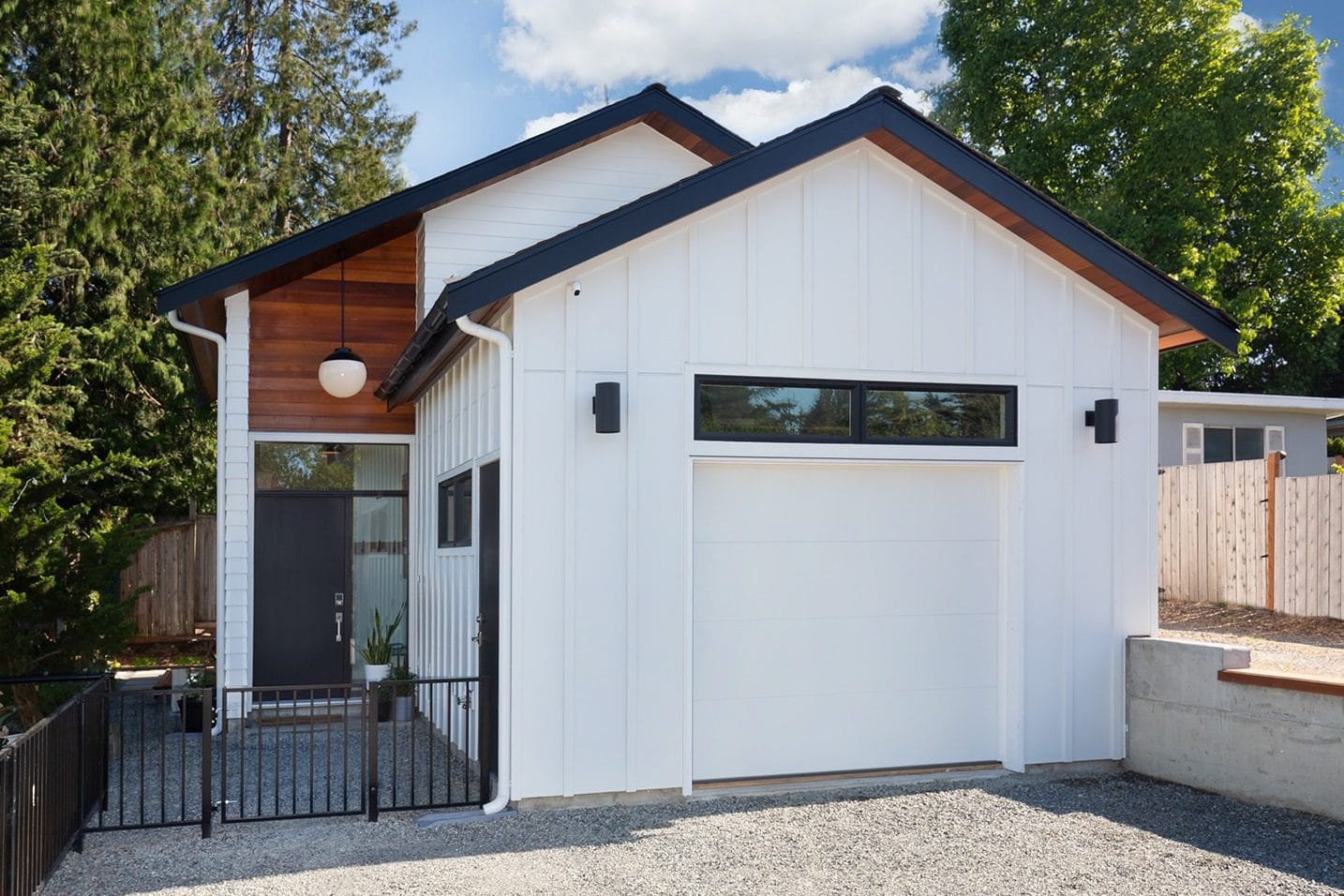
ADU stands for accessory dwelling unit (you will also hear additional dwelling unit, granny flat, in-law unit or backyard apartment). It is a second, smaller home on the same lot as your house, with its own kitchen, bathroom and entrance. It can be a detached backyard cottage, an ADU addition to the house, a converted garage, or a junior ADU carved out of existing space. In California, the main home and the ADU generally stay on one property, so in most cases the ADU cannot be sold separately.
The short answer on pros and cons: the biggest benefits are flexible living space, a place for family to live close by, and the potential for rental income and added property value. The biggest drawbacks are the upfront construction cost, the loss of yard or garage space, months of disruption during construction, and the responsibilities that come with having someone else living on your property. Whether an ADU makes sense depends on your lot, your budget and what you actually want the space for.
What is an ADU? The main types of accessory dwelling units
The trade-offs change with the type of ADU, so it helps to know which one you are considering before you weigh them.
- Detached ADU: a standalone backyard home. It gives both households the most privacy, but it uses yard space and usually needs new foundations, utility runs and a full structure.
- Attached ADU (ADU addition to house): built onto the side or back of your existing home with its own entrance. It can share walls and sometimes simplify utility connections, but construction happens closer to where you live. Our guide on detached vs. attached ADUs covers that decision in detail.
- Garage conversion: turning an existing garage into a legal living unit. It reuses the slab, walls and roof, which often keeps cost down, though older garages can need structural, insulation, electrical or plumbing work first.
- Junior ADU (JADU): a smaller unit created within the existing house, often from a bedroom or attached space, with simpler kitchen requirements.
The pros: accessory dwelling unit benefits
1. Flexible, usable space
An ADU has its own kitchen and bath, so it works as a full home. Homeowners use them as guest suites, home offices, studios, a place for adult kids to land, or a long-term rental. The space can change purpose as your life changes, from home office now to a parent's residence later.
2. Housing for family, close but separate
For many LA families, this is the strongest reason to build. An ADU lets an aging parent live next door with their own front door, or gives a grown child an affordable way to stay in the neighborhood. Everyone keeps their privacy, and help with childcare, errands or caregiving is a short walk away.
3. Potential rental income
Rented to a long-term tenant, an ADU can help offset a mortgage or the cost of the build itself. Rental income is never a sure thing, though. It depends on the local market, the unit's size and finish, vacancy, and how you manage it. Run conservative numbers before counting on rent, and talk with a tax professional about how rental income affects you.
4. Possible added property value
A permitted, well-built second unit can make a property more appealing to future buyers who want rental potential or multigenerational living. How much value it adds varies by neighborhood and by the quality of the build, so count it as a possible long-term benefit.
5. A more supportive permitting environment
California has spent the past several years loosening ADU rules on parking, setbacks and approval timelines, and cities across LA County have followed with their own updates. Rules change often, so always confirm current requirements with the California Department of Housing and Community Development and your local building department, such as LADBS in the City of Los Angeles.
6. Adding a home without buying land
Land is the most expensive part of housing in this market, and an ADU goes on land you already own. You pay to build and skip buying another lot.
The cons: ADU drawbacks to plan for
1. Upfront construction cost
An ADU is a significant investment. Most LA ADUs cost roughly $150K to $325K to build, depending on size and finish level. Financing, design and permit fees, and any site work all need to be part of your plan. The cost section below covers what drives the number.
2. Losing yard, parking or storage space
A detached unit takes backyard space you may have used for kids, pets or gardening. A garage conversion means giving up covered parking and the place where your holiday decorations and tools used to live. Be honest with yourself about whether you will miss that space.
3. Construction disruption
Building an ADU means months of crews, noise, deliveries and dust on your property. Backyard access may be limited, and utility tie-ins can briefly affect your main house. A builder who communicates clearly helps, but there will be disruption.
4. Landlord responsibilities
If you rent the unit, you become a landlord. That means screening tenants, handling repairs, following local tenant rules, and sharing your property with someone who is not family. Some owners hire a property manager; others keep the unit for family use only. Rental laws are complicated, so get guidance from a qualified professional.
5. Site and permit complications
Not every lot is simple. Slopes, tight access, old sewer lines, undersized electrical panels or poor soil can add scope. Most permit delays come from incomplete submittals and slow responses to plan-check corrections, so the quality of the permit package matters.
6. Tax and insurance changes
New construction can affect your property tax assessment and insurance coverage. The effects vary by situation, so speak with a tax professional and your insurance agent before you build.
What ADU construction costs in Los Angeles
Cost is the drawback homeowners worry about most. We charge a flat construction rate per square foot based on finish level:
- Basic: $275 per sq ft
- Mid-range: $300 per sq ft
- Luxury: $325 per sq ft
Garage conversions have their own rates because they reuse the existing slab, walls and roof: $235, $260 and $285 per sq ft for basic, mid-range and luxury. A typical 2-car garage (400 to 480 sq ft) comes in at about $95K to $125K. See our garage conversion cost guide for details.
For example, a 600 sq ft mid-range ADU runs about $180K in construction, and a 1,000 sq ft luxury build runs closer to $325K. Your fixed quote can differ from size times rate because of the ADU type, site conditions and work on existing structures.
What pushes cost up
- Sloped or hillside lots (grading, retaining walls, engineered foundations)
- Difficult site access
- Utility upgrades such as a new electrical panel, sewer line or long utility runs
- Poor soil or drainage
- Two-story designs, extra bathrooms and complex kitchens
- Fully custom design and changes after permits are issued
What keeps a budget down
- A right-sized footprint and a finish level that matches the unit's purpose
- A simple shape and roofline
- Kitchen and bathroom plumbing placed close together
- Starting from a proven plan (browse our ADU floor plans)
- Placing the ADU close to existing utilities
Our ADU cost calculator gives a quick starting estimate by multiplying size by the finish-level rate. It does not account for site conditions or utilities, so the fixed quote for your property can come out different.
Choosing an accessory dwelling unit builder or contractor
Many of the drawbacks above, like surprise costs, permit delays and long disruption, get better or worse depending on who builds your ADU. When you compare ADU builders and contractors, ask:
- Who handles design, permits and construction? Splitting these among separate firms can leave gaps when plan-check corrections come back. Our team handles all three under one roof.
- How is pricing structured? Ask for clear per-square-foot rates and a fixed quote that explains site-specific items.
- How many ADUs have they actually built? ADU Resource Center has delivered 600+ ADUs over 12+ years, with an 18-person team and a 5.0 rating.
- How do they handle permit corrections? A well-prepared permit package typically gets through each plan-check correction cycle in weeks, not months.
If you are in the area, learn more about working with an ADU builder in Los Angeles. We serve Los Angeles, Glendale, Burbank, Pasadena and surrounding areas.
Is an ADU worth it?
An ADU tends to be a good fit if you have a clear use for the space (family, rental or work), a lot that can fit it without major site work, and a budget or financing plan that covers construction comfortably. It may not be the right move if you use your garage or yard every day, are not ready to manage a tenant, or would be stretched financially by the build. Weigh the pros and cons against your own situation.
Frequently asked questions
What does ADU stand for?
ADU stands for accessory dwelling unit. Some people say additional dwelling unit; both mean a secondary home on a residential lot with its own kitchen, bathroom and entrance.
Are backyard apartments the same as ADUs?
Usually, yes. A backyard apartment, granny flat or backyard cottage is typically a detached ADU. To be legal, it needs to be permitted as an ADU through your local building department.
Can I sell my ADU separately from my house?
In most cases, no. An ADU is generally part of the same property as the main home. State and local rules can change, so check with your city or a real estate attorney about your situation.
Is a garage conversion or a new ADU addition cheaper?
A garage conversion often costs less because it reuses the existing structure, but an older garage may need foundation, framing or utility work. The garage's condition decides it.
How long does it take to build an ADU?
It depends on the type, the site and how quickly plan-check corrections are resolved. A complete permit package helps avoid the most common delays. We can give you a realistic timeline after reviewing your property.
Want to see what an ADU would look like on your lot? Book an ADU consultation with our team, or call (866) 429-1440, Mon to Sat, 9am to 6pm PT.