Project
Modern ADU in CA (NEW)
📍 CA (NEW), CA
Walkthrough
Customer testimonial
Hear from the homeowner
Read the full transcript
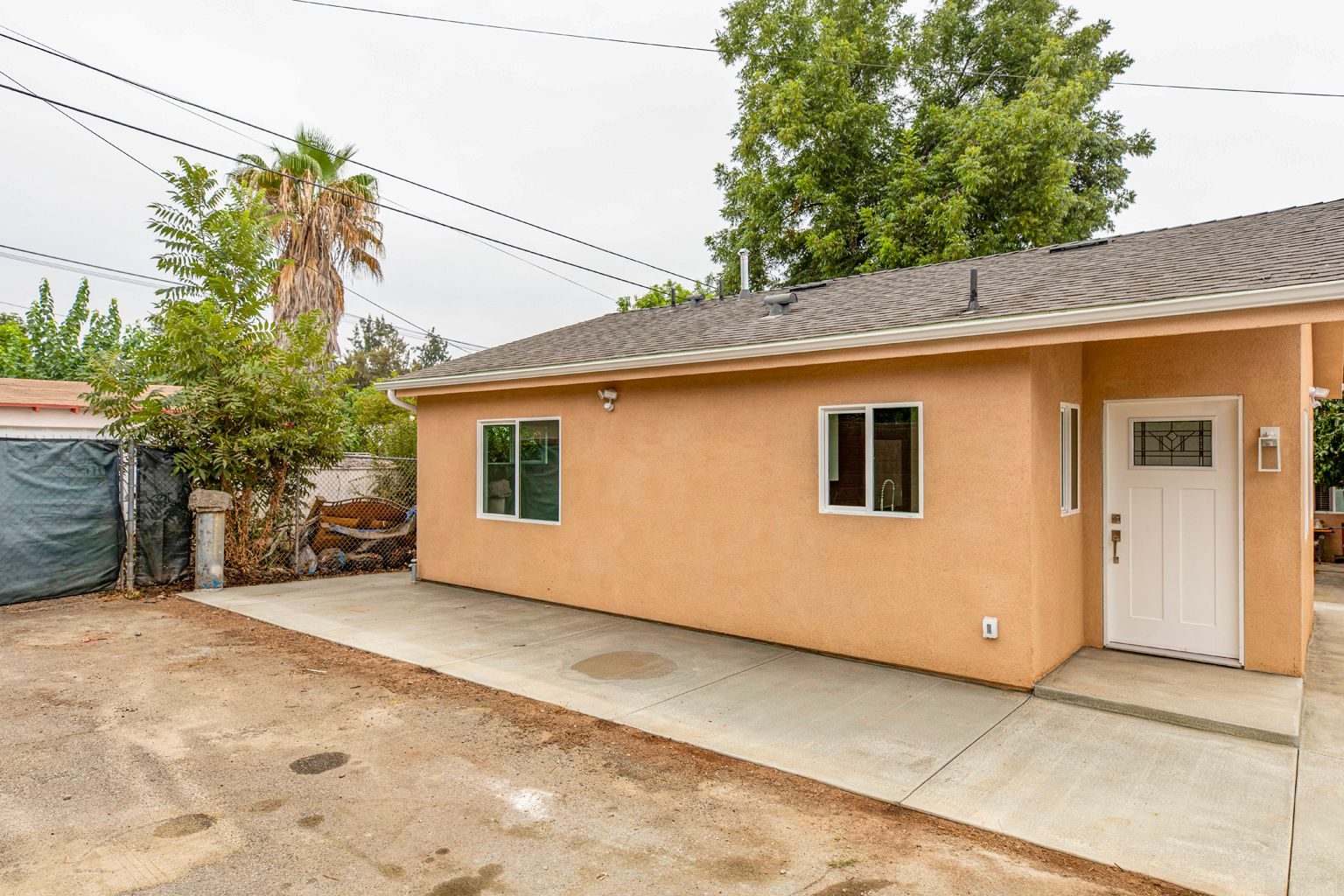
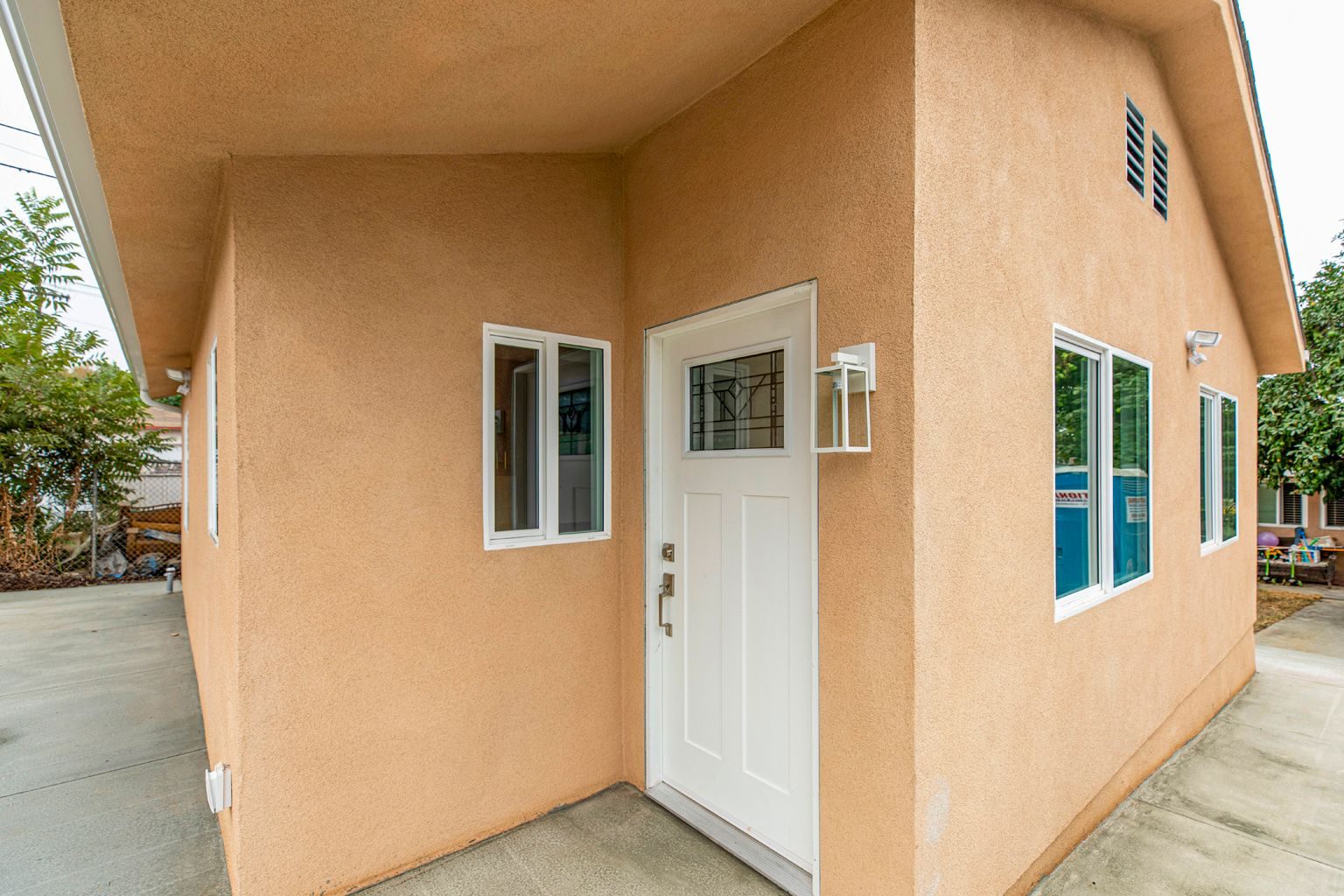
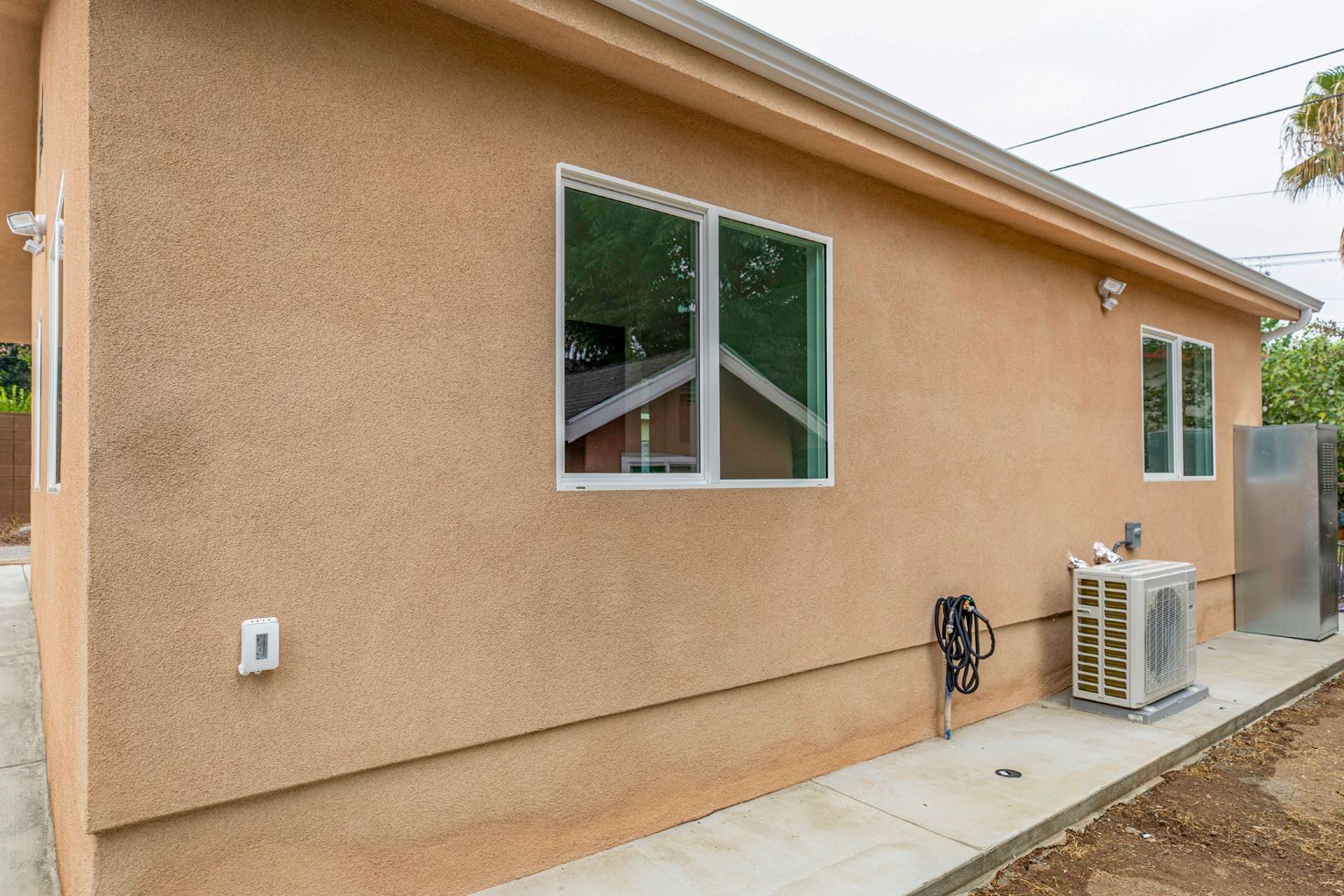
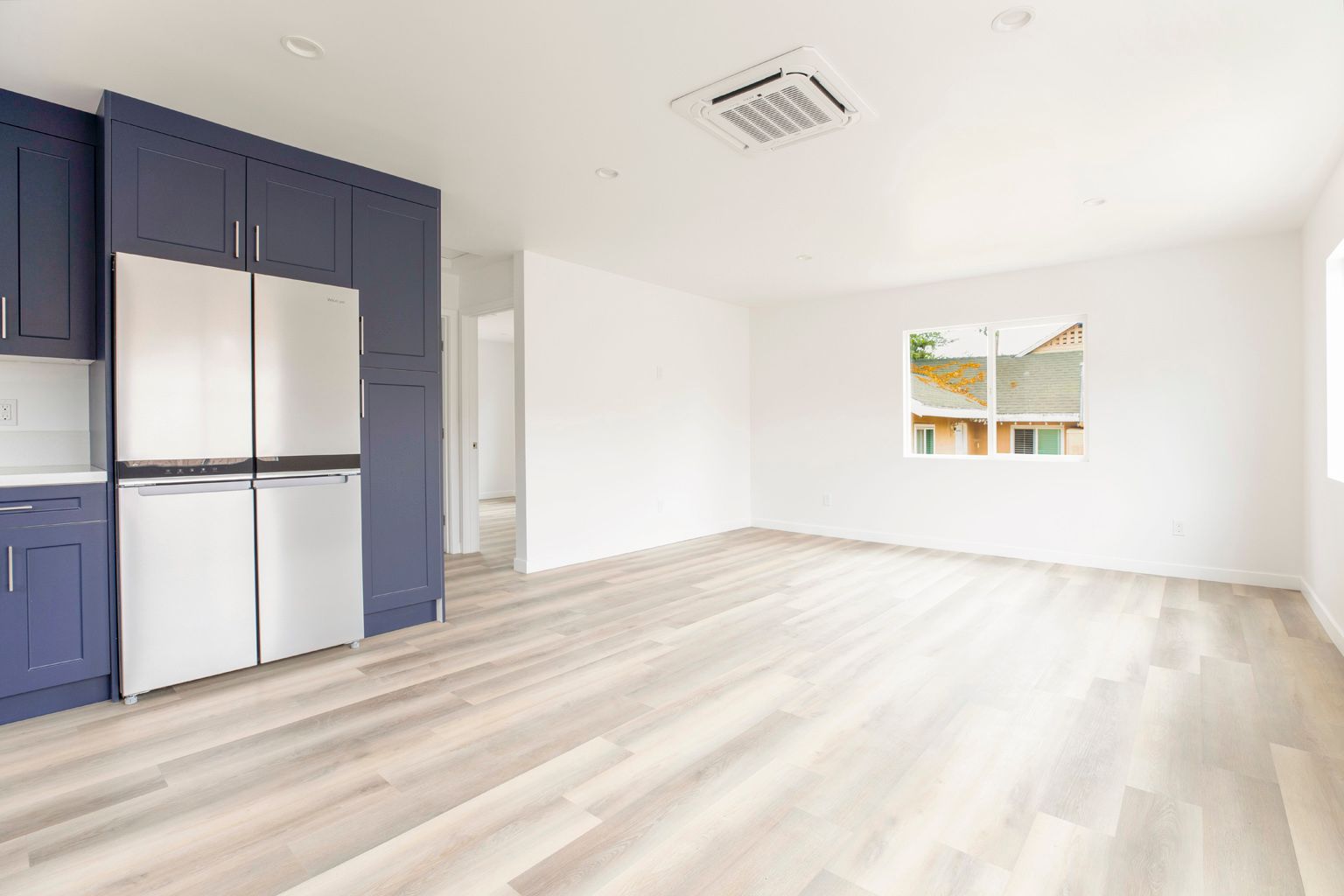
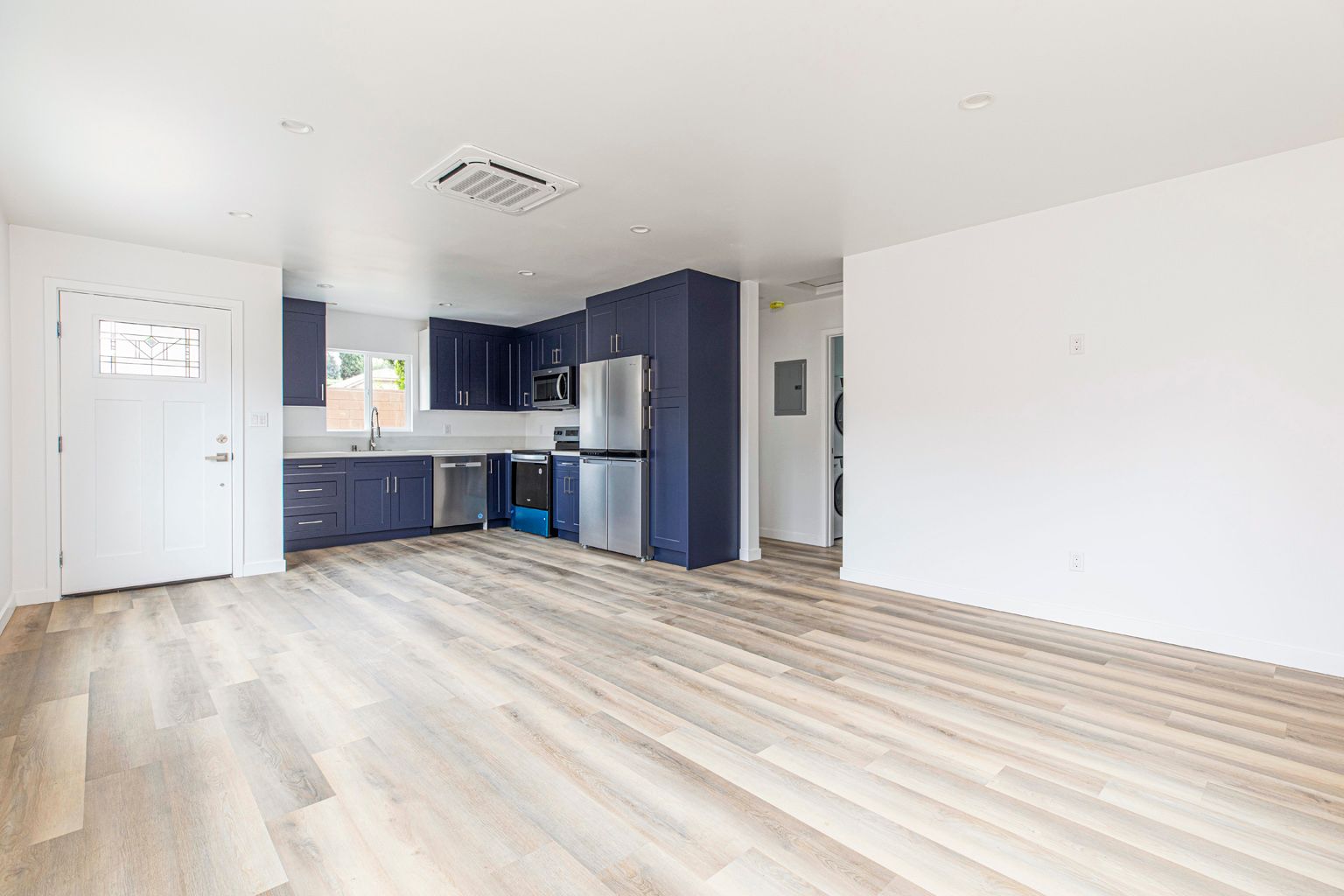
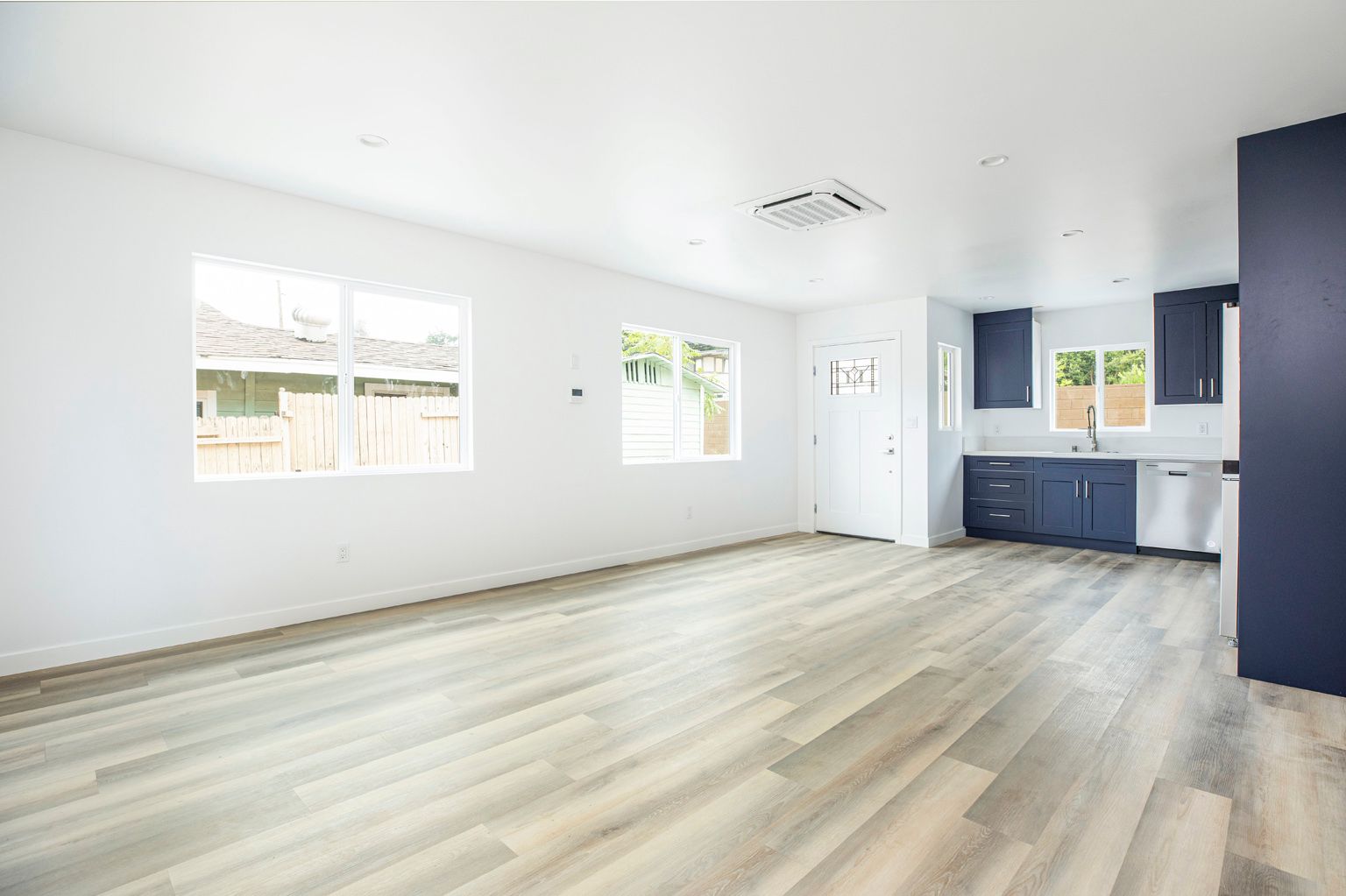
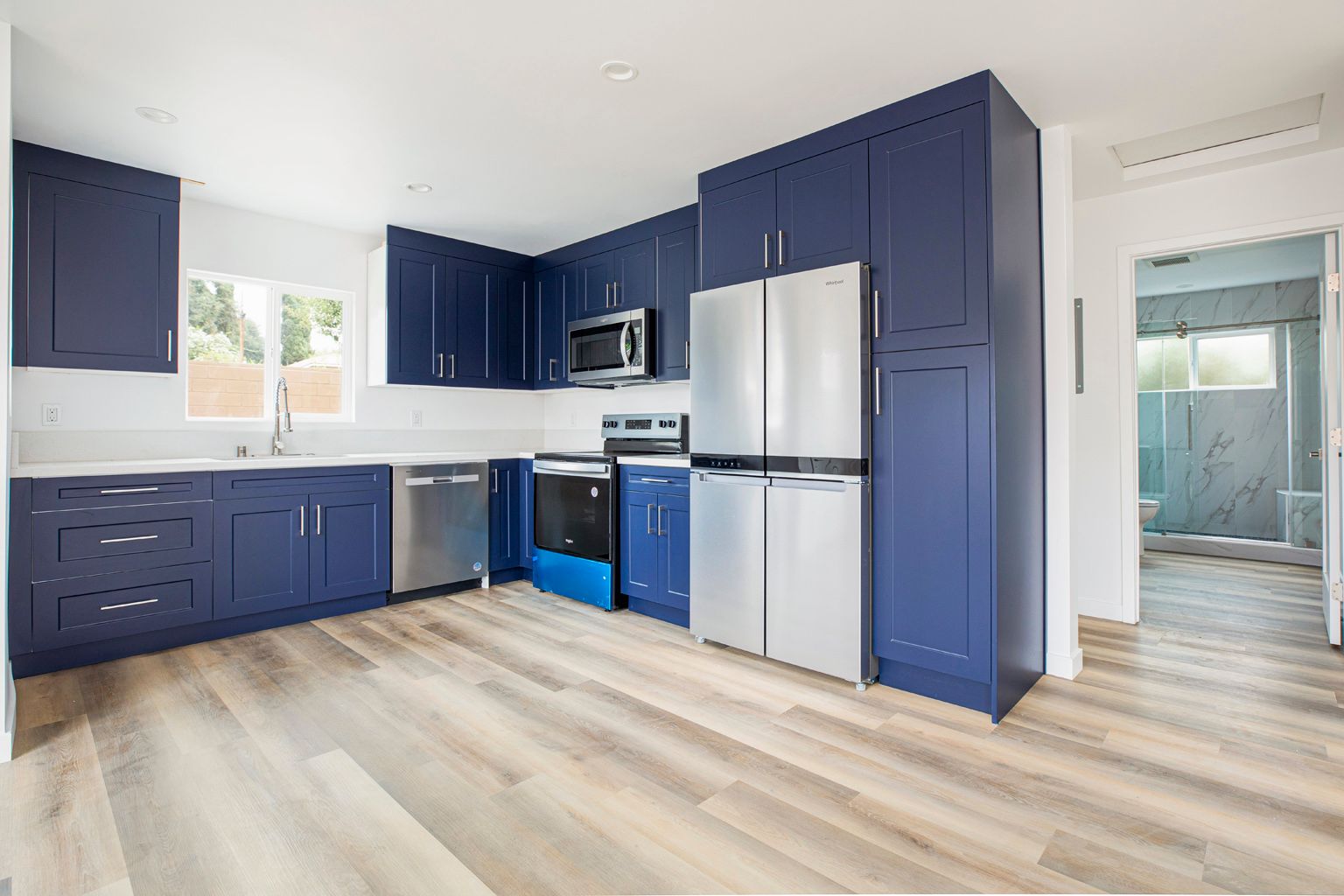
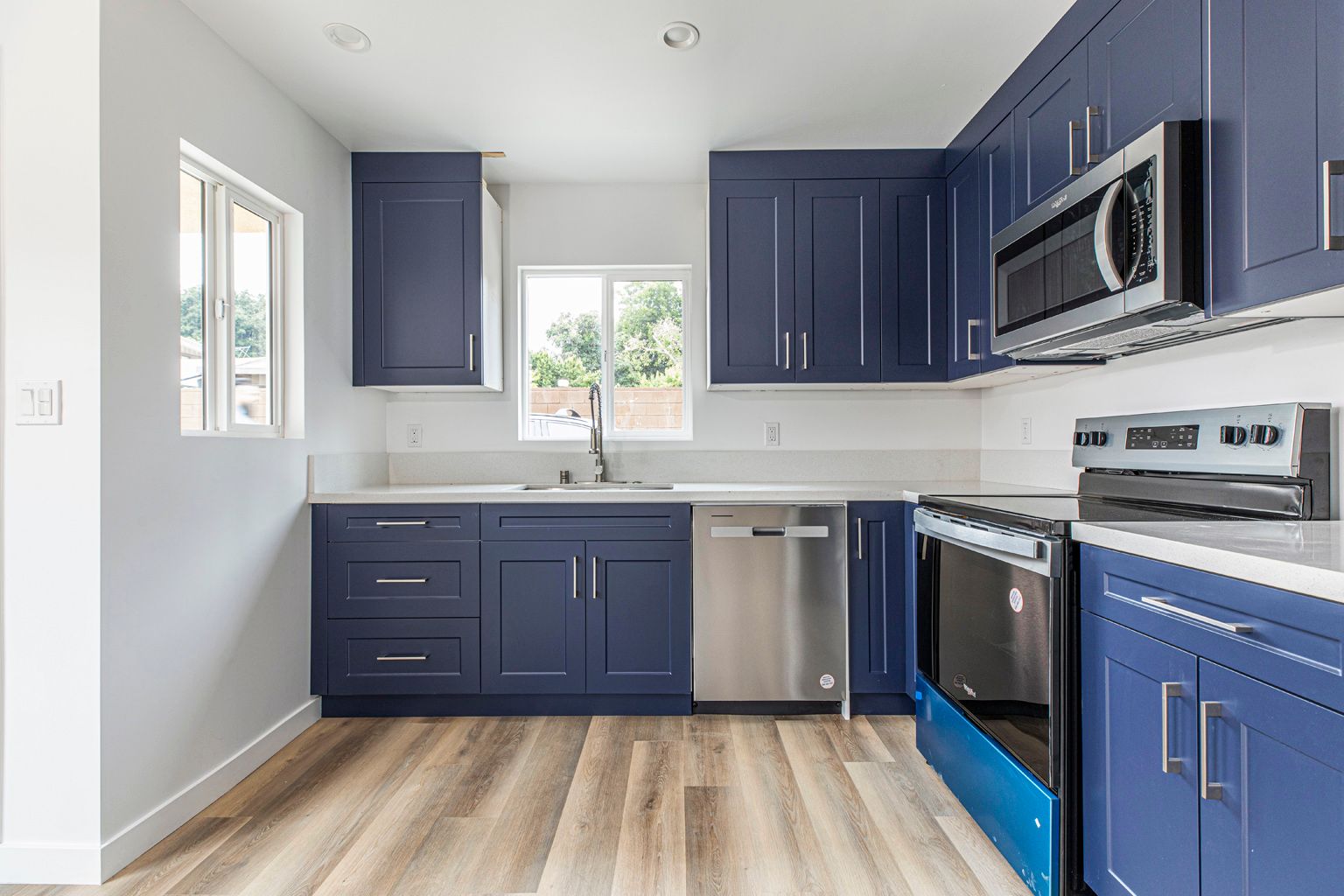
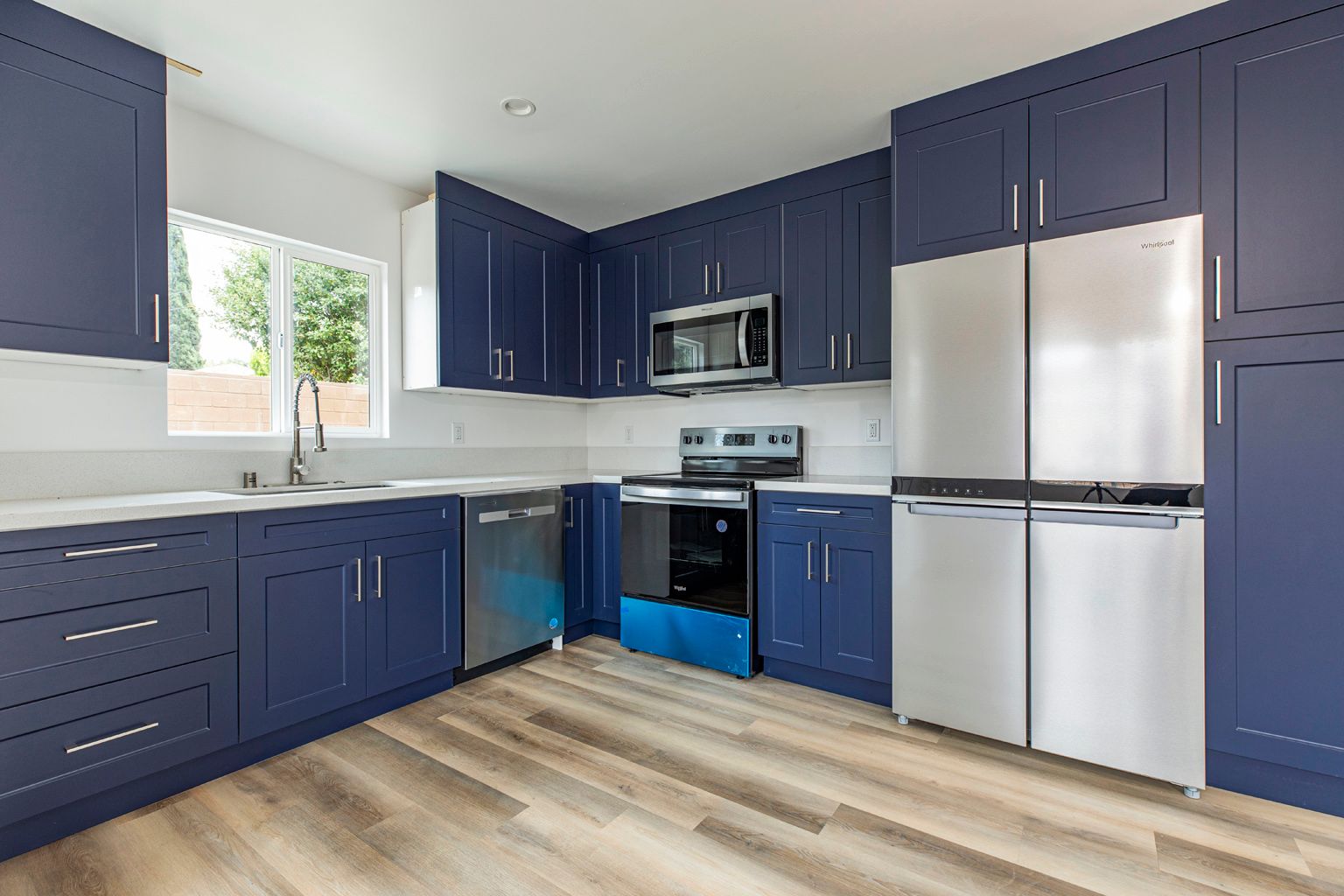
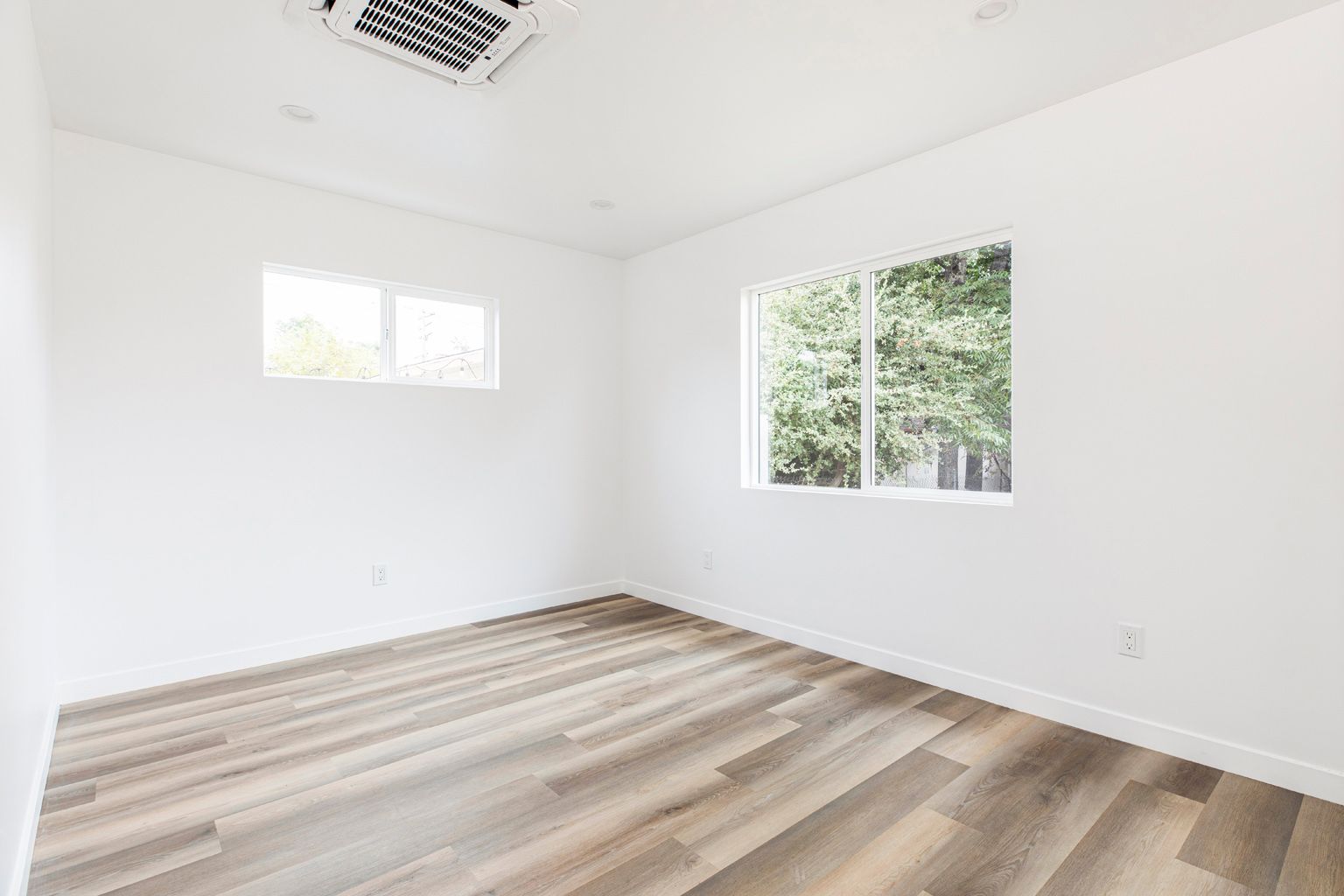
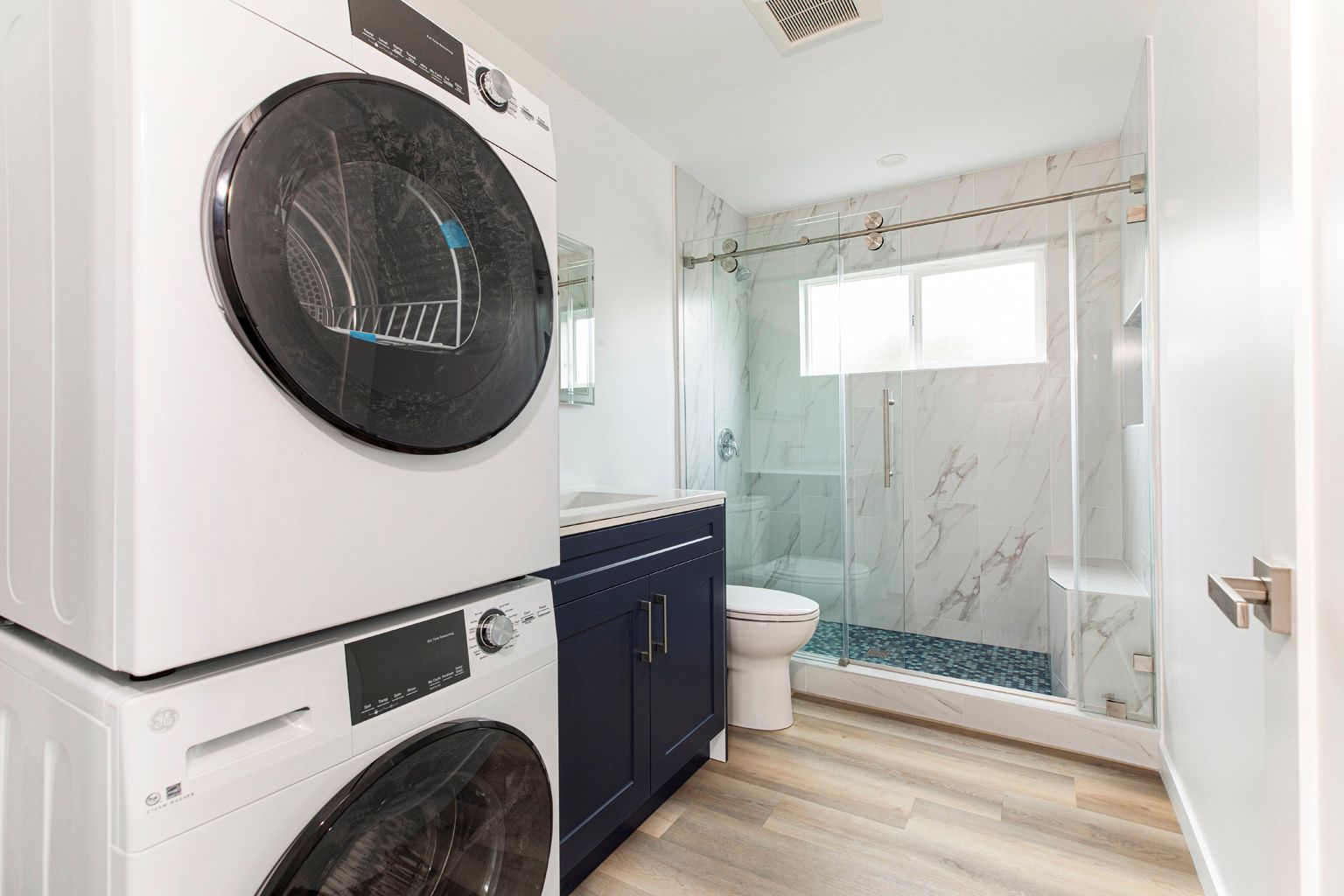
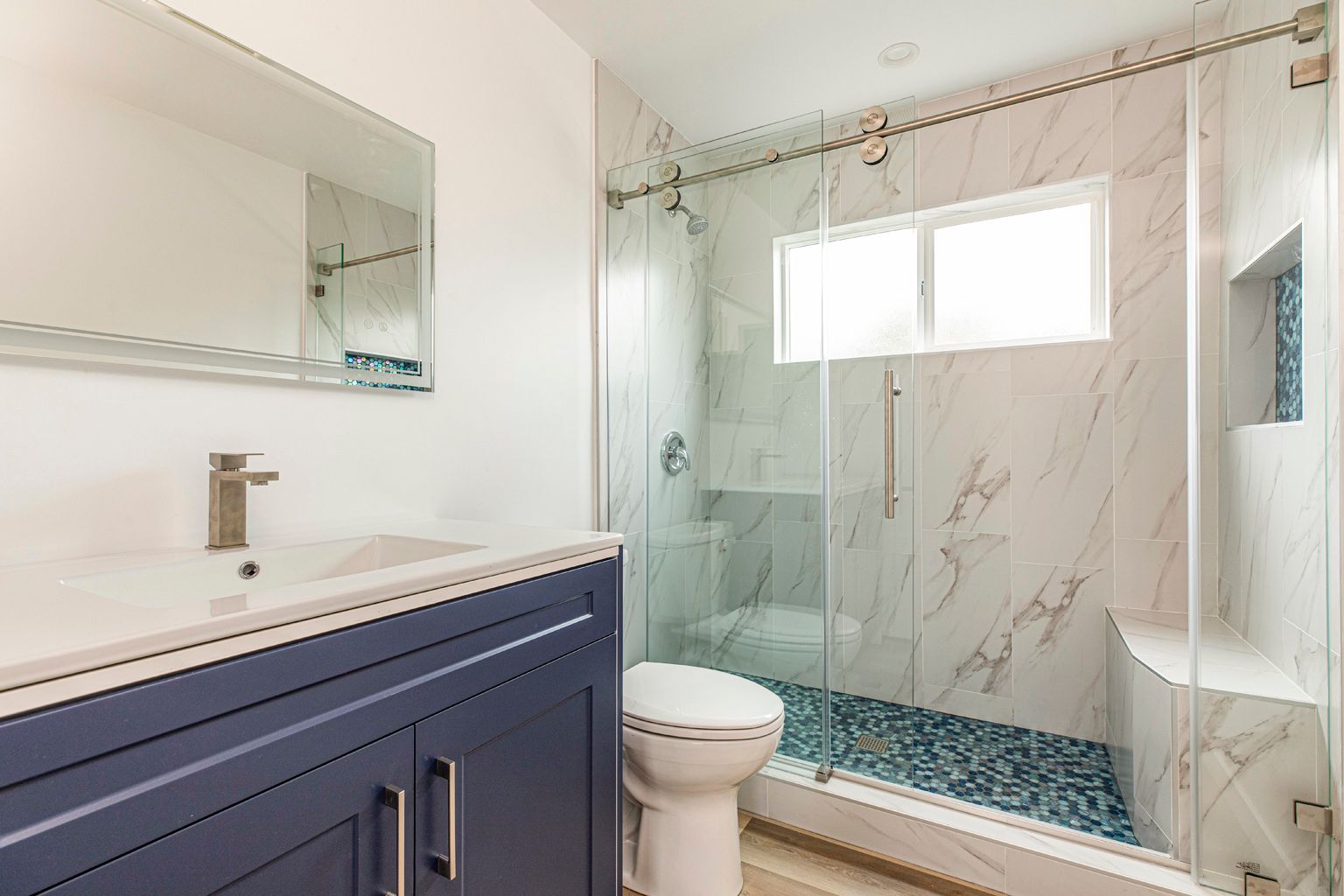
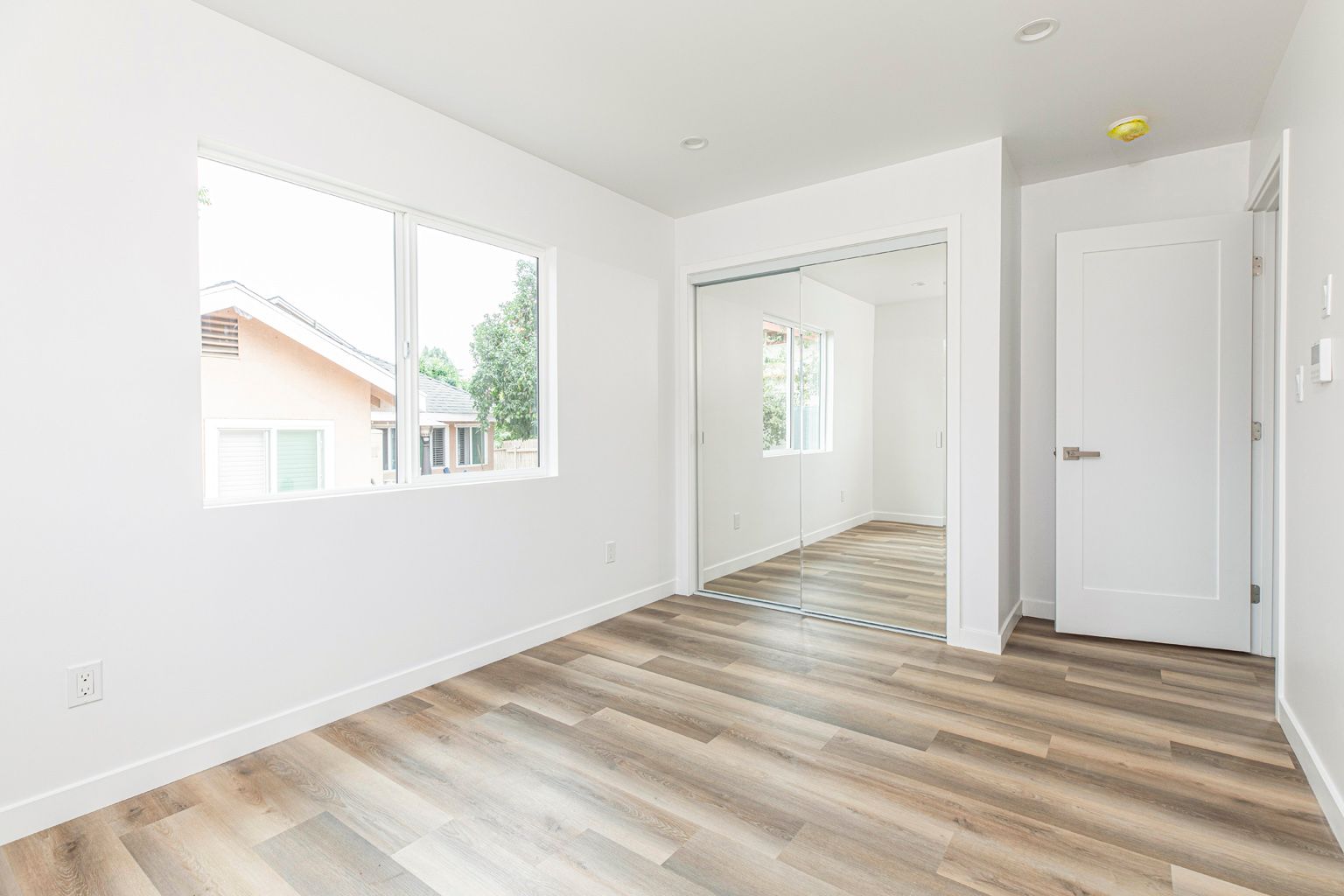
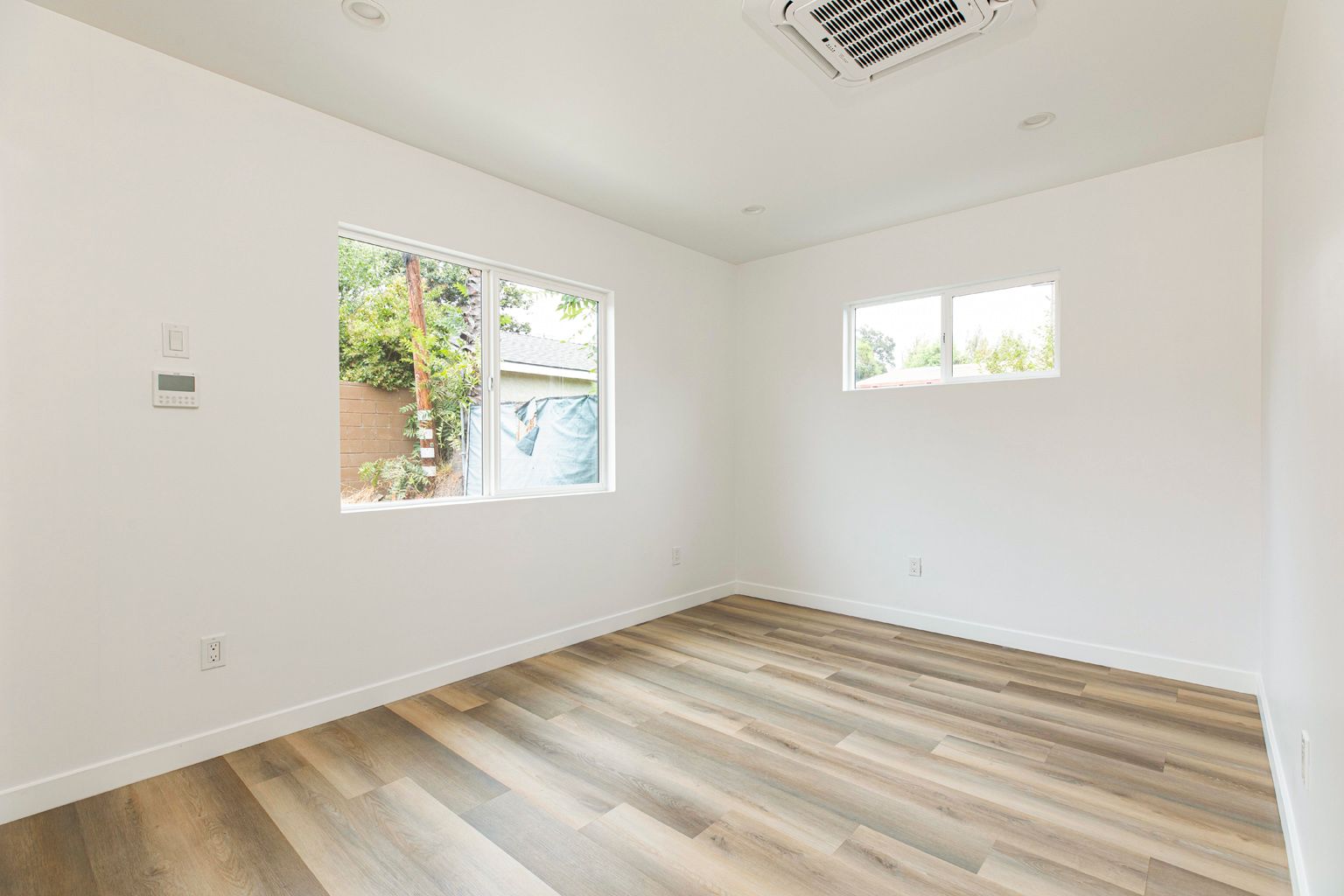
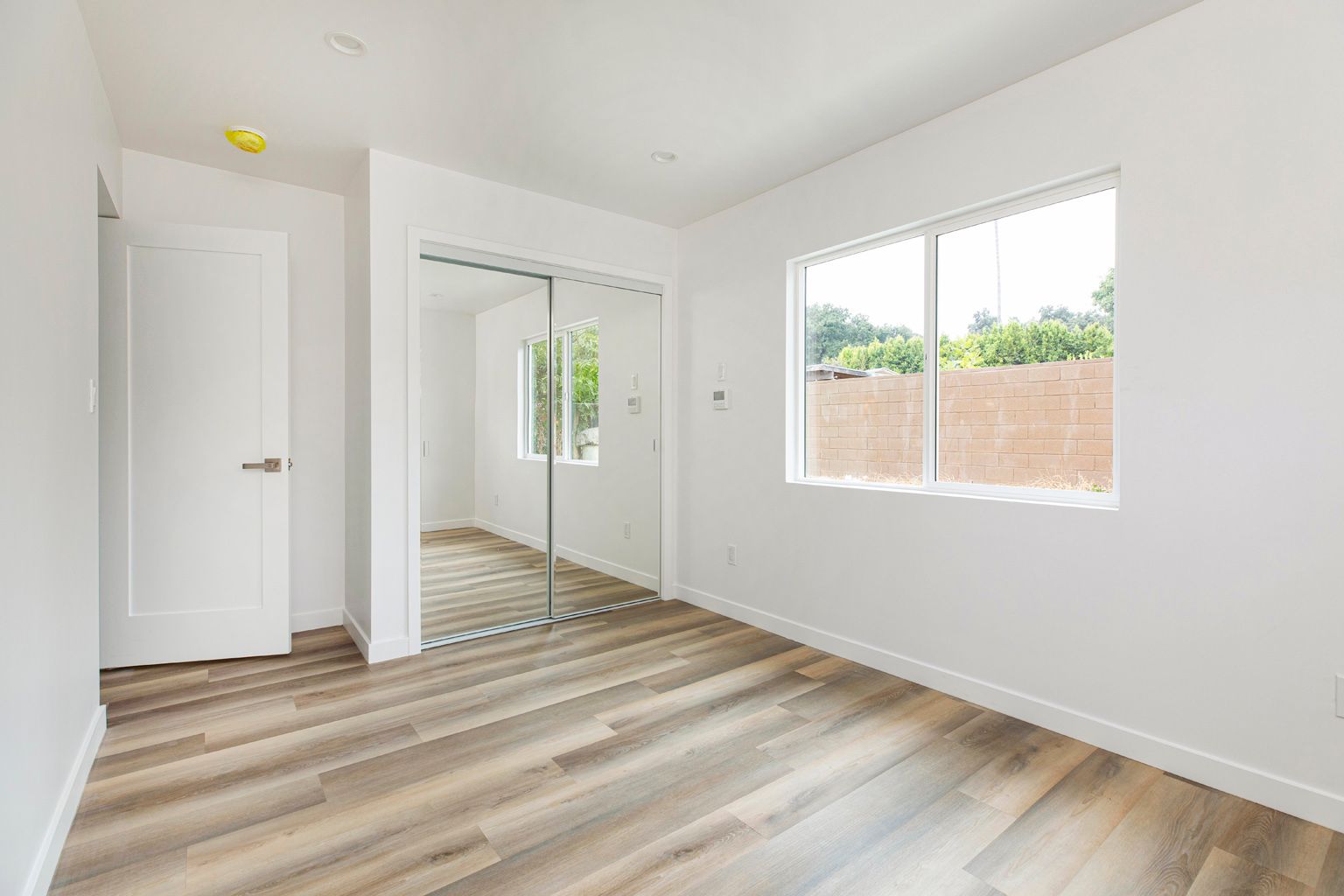
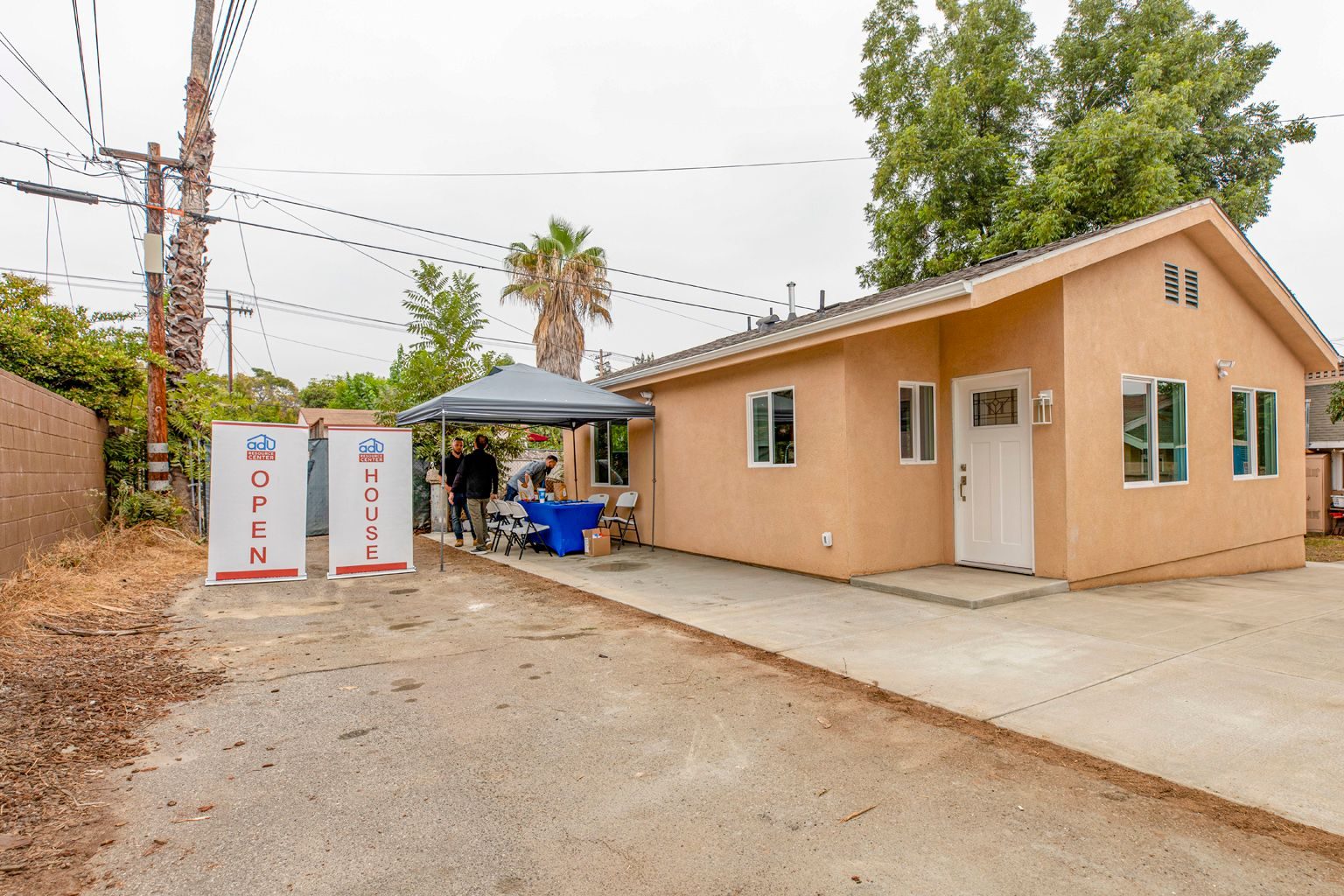
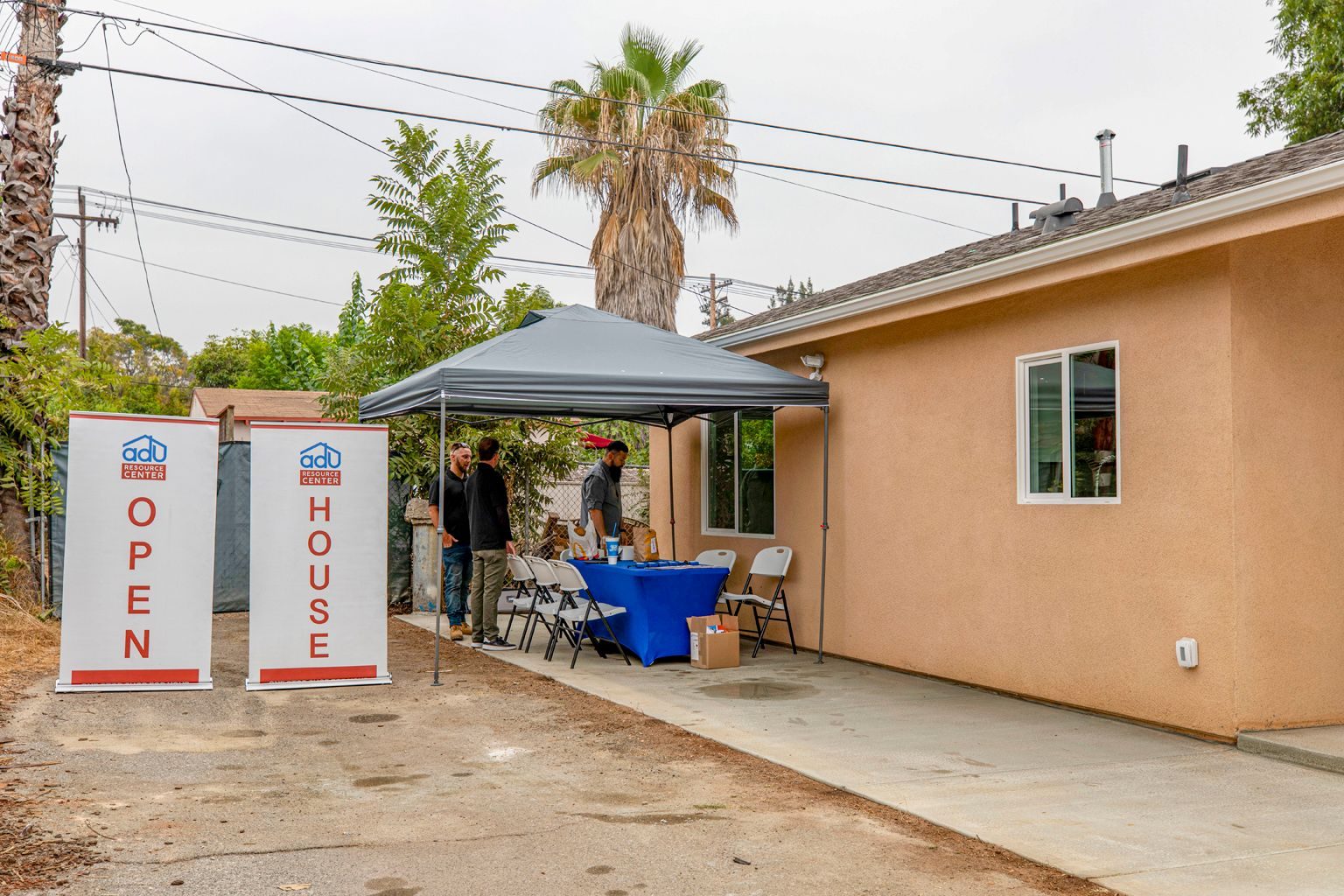
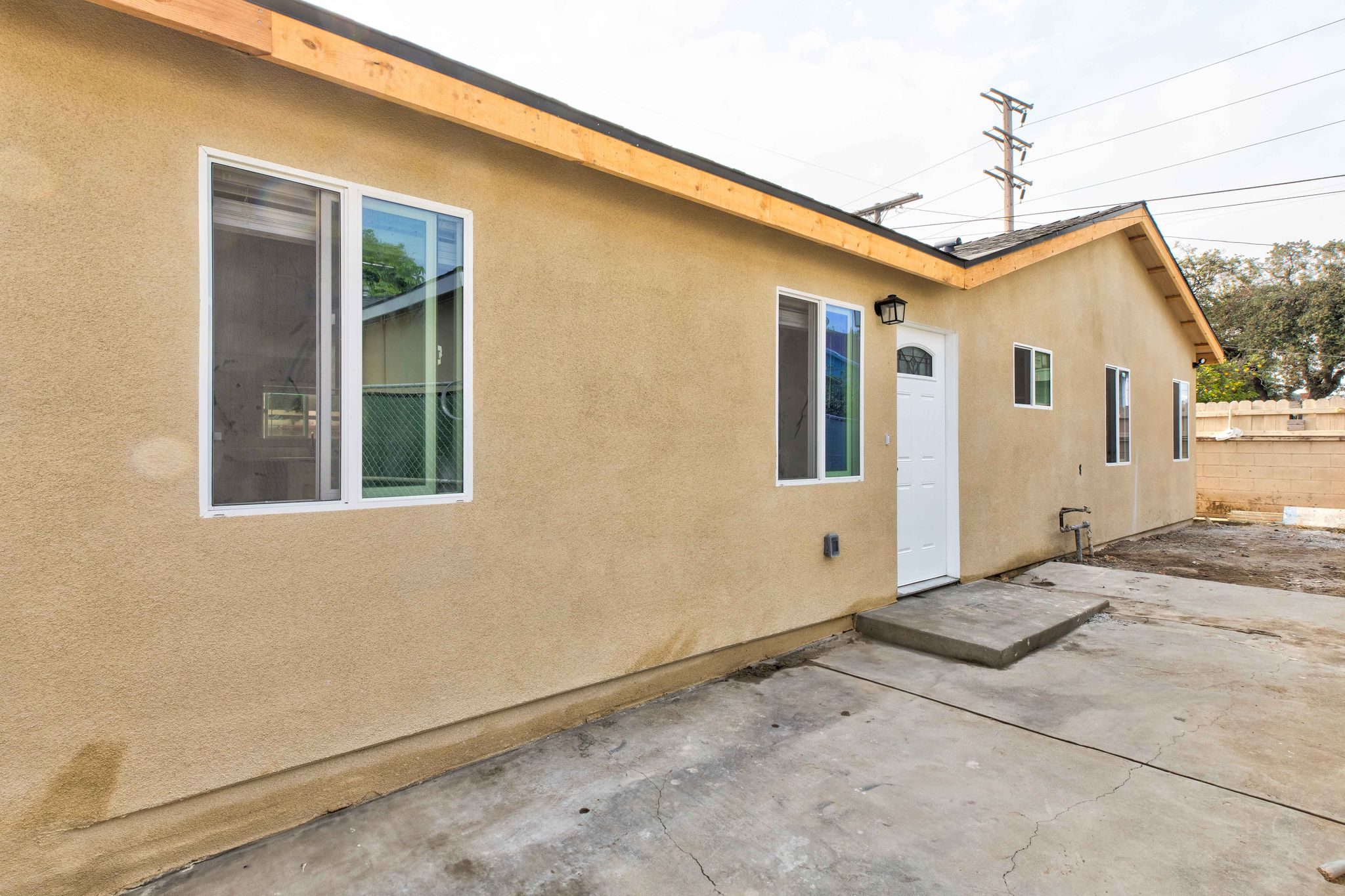
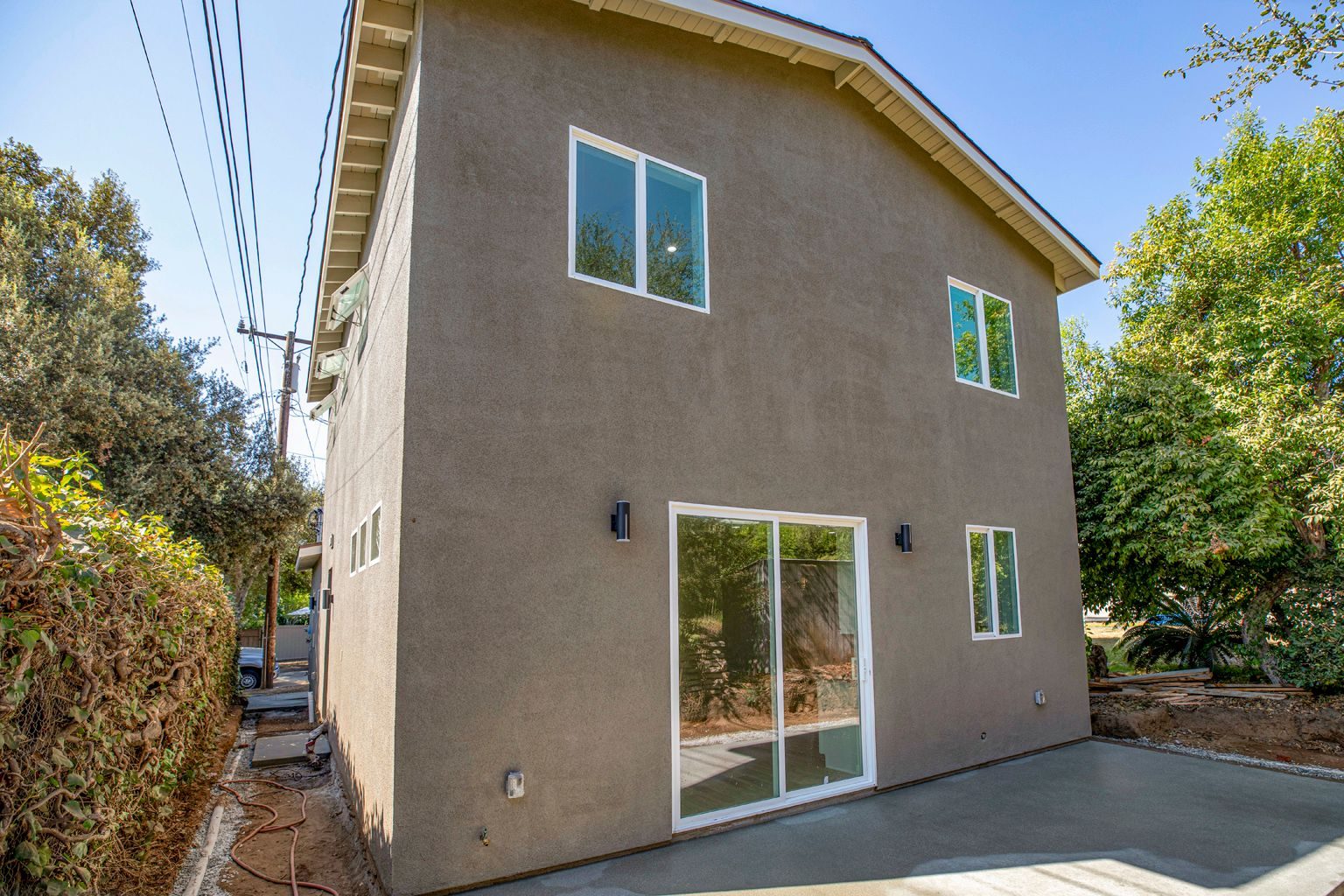
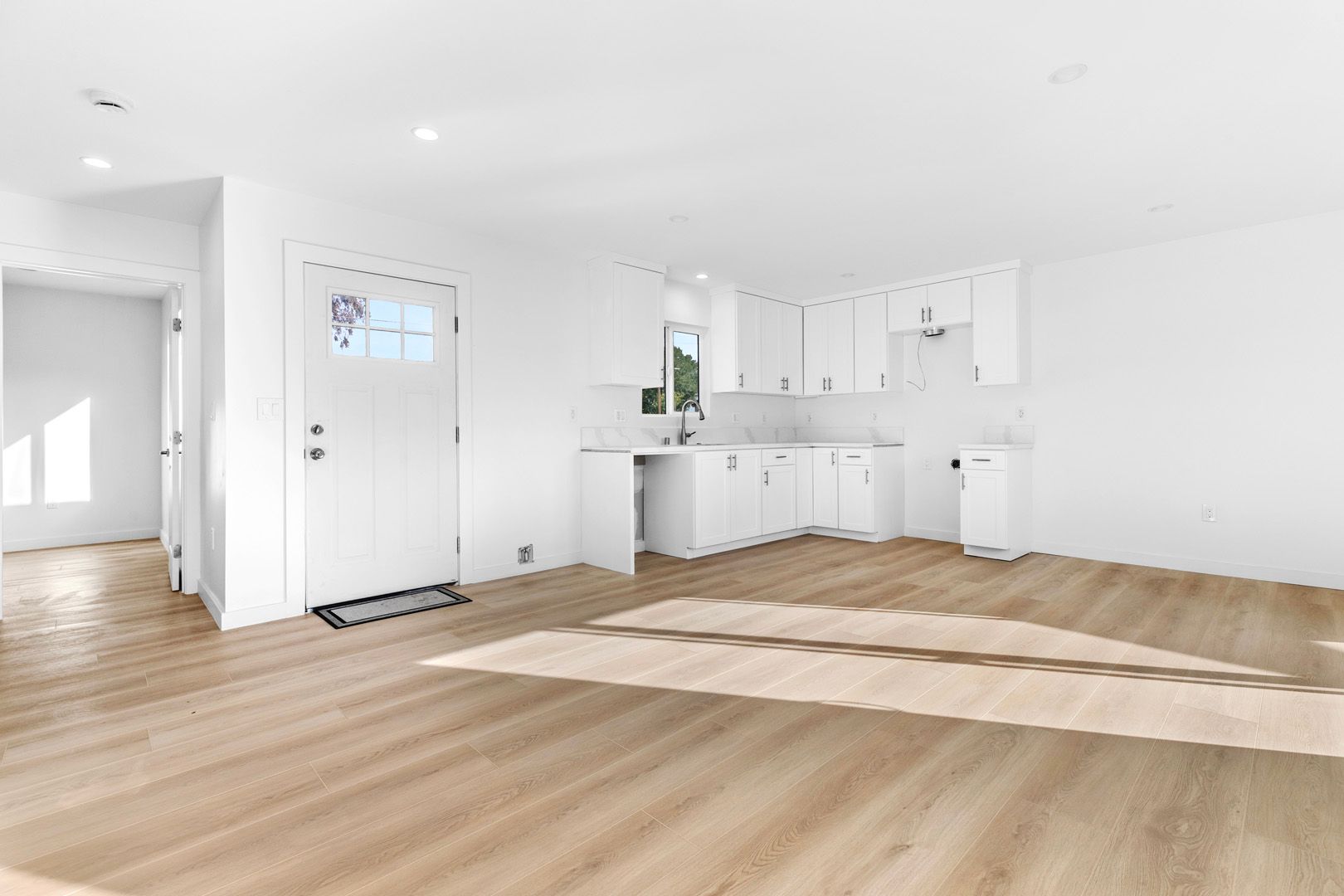
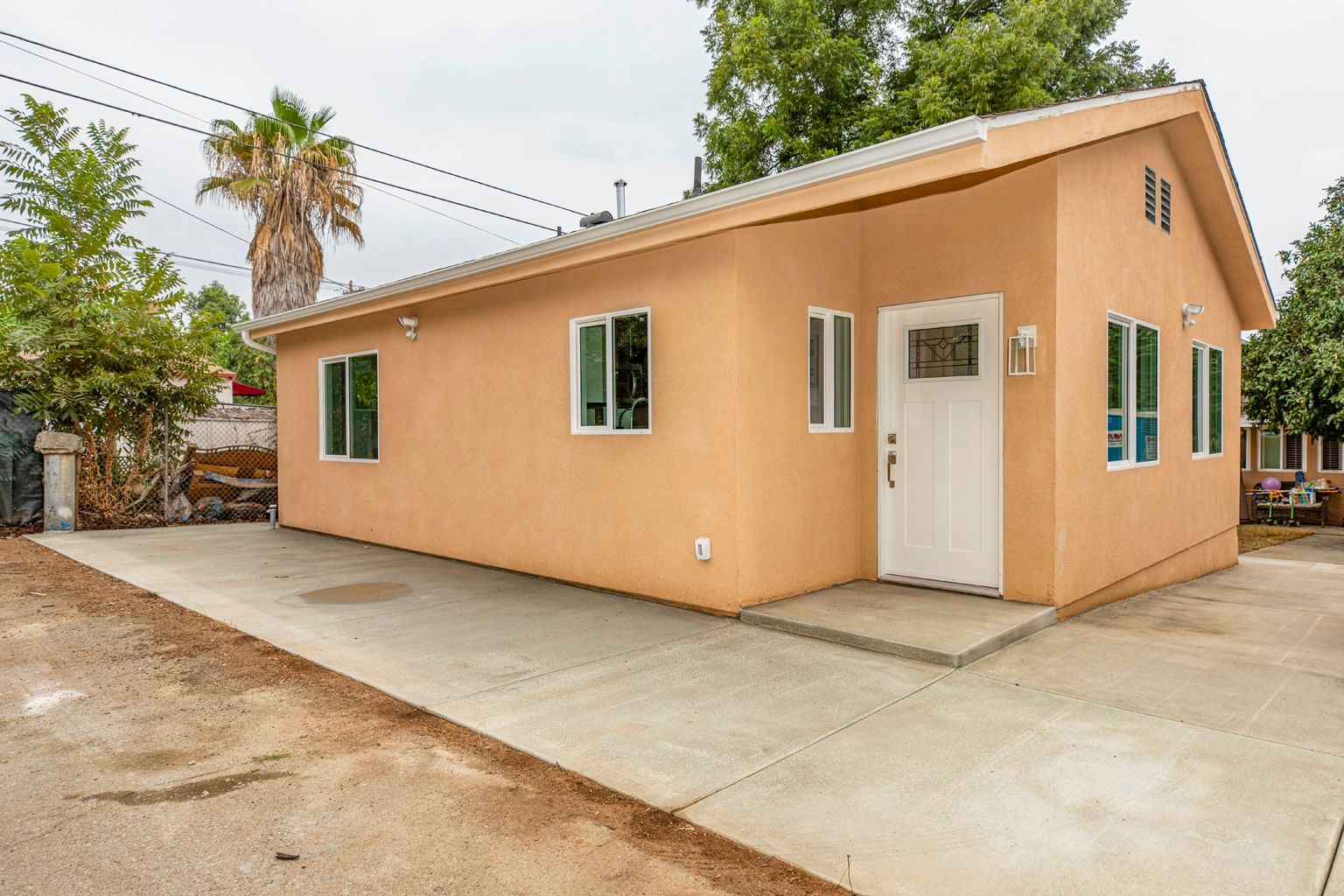
Hi friends, it's Danny with ADU Resource Center, and today we are in Pasadena with Michelle. Michelle, we're gonna do an open house on your brand new ADU. That's right. Thank you for, thank you for inviting us. Uh, I brought a couple c- culprits with me. Mike is your project manager from ADU Resource Center, and Vache Mardirosian from California Construction did all the construction work. So at some point, we're gonna be ping-ponging back and forth and asking questions from your perspective, but let's start with you. So, how long ago did you start, about? We started the idea of an ADU in, uh, fall of '22. Now, whose idea was it? Uh, it was a joint idea, my husband and I, when our garage that used to be here was starting to fall apart, and we had to decide, what are we gonna do? How are we gonna fix up the garage? And a different vendor... I don't know if you wanna put this in the video or not. It's okay. Uh, we had a garage company come out and give us a quote to fix the door, and the guy said, "Well, you know what you could do is turn this into a ADU. That's what everybody's doing." Nice. I was like, "That's crazy talk. We are not gonna build an ADU. That's-" So that wasn't, that wasn't even on the, on the plans at first. No, no. We just had a broken garage door that wouldn't close. It was stuck in the open position. That's a big upsell. Yeah. Okay. And, uh, well, he told me about this grant that you could get from CalHFA to help fund your pre-construction costs, and so I looked into it. And then my husband and I talked about it, and we decided to apply and see if we could get the grant. And we did, and then we're like, "I guess we're doing this thing." Nice, nice. And so then we talked to a couple companies that, um, HPP Cares had recommended. They are the ones who processed the grant. Did the admin. Mm-hmm. And, um, so yeah, we just started talking about ADU, and at first we were just thinking we would convert the garage into, like, a studio. But the garage was really in bad shape. Um, the roof had a bunch of holes in it, and the walls were falling down. So ultimately, did it come down and we just started all over again? Yeah. Okay. Okay. Yeah, time to just- And, and, you know, maybe sometimes that's the best way, 'cause old wood, old technology, and old stuff like that, it, it's just gonna be problems. So, starting with a, a brand new slab and everything, build it ground up, I guess that's what we did, right? We love it. Okay. We love doing it ground up, and it was easy coming down in one day. Mm-hmm. Next day, we're doing trenches for the foundation. All right. You're getting ahead of me. All right. It's all right. It's all right. Back to you. So, in the beginning when you started thinking about ADUs, did you know... Now, in your mind, you weren't thinking one bedroom, one bath like it turned out, so you were thinking smaller first. So- It's two bed, one bath. It's two bed. I beg your pardon. So, how did the... Where did the idea, how did you get involved with Michael with ADU Resource Center? Um, yeah, he was one of the companies we reached out to that we heard about through AP, HPP Cares. And so yeah, Michael came over and kinda told us about what the different options are for ADUs, like in terms of square footage and how big it can be before you trigger different, like, types of permitting or inspections and all that kinda stuff. Mm-hmm. And so, um, he kind of recommended that if you stay below 750 square feet, you can maximize your square footage but not have to do something about environmental- Your floor impact- Yeah. City impact fees. Yeah, yeah. Right. Okay, great. Um, so I think at that point my husband and I said, "Well, go big or go home. So, if we're already doing this, why don't we just- And you got the grant. Yeah. So that's paying for part of it. That's nice. There's $40,000 on the grant, so that's not bad. Um, so Michael, so when you first came, what was your inspiration? What did you think? Did you start off talking about two bedroom, or did you guys build up to that? Well, we started out just thinking about a garage conversion, but when I was looking at the garage, it was in rough shape. Mm-hmm. Uh, we had a tree right behind it. A little birdie dropped a seed. And this tree sprouted, and it grew into an enormous tree, and those roots were traveling underneath the garage. Yeah. They were uprooting the foundation. Unfortunately, it was just a couldn't-be-saved situation. Right. Um, and so in that case, they have a big backyard space. They have a wonderful alleyway access, and this is gonna turn into an amazing rental situation. Um, and rentals in this area, we do a little bit of a market analysis, and Pasadena has an amazing school district. Sure does. Who's gonna be the ideal person that's gonna move in here? Probably somebody with a small family looking to be able to target that school district. So, a two bedroom is gonna rent much better in this particular area. Yeah. So... Right. Take a look at that. And also, I mean, also, I mean, we look at the pricing of apartments nowadays, and so if somebody has the choice to live in a brand new ADU or an apartment, it's kind of a no-brainer, right? Private parking and all that other stuff. So on the floor plan itself, did you use a template, or did you guys create something from scratch? Well, all of our work starts with the ideas from a template, but then we get to customize to our liking. Uh, we sit down in the office with the designer and play around with some ideas. We explore a variety of different- Right ... solutions and land on the best. Right. Um, on the design portion, did she work with Sharice, then? Is that... Is... Did you edit, come down to our office and edit in the room? How did... What did you think about the editing and the, the design process with the, the architect? Um, when we got there, we thought there was already gonna be a design- ... that we would just be looking at. But then we got there, and they said, "Oh, no, you're gonna design it," and we were like, "Oh, no." You got scared? Well, 'cause we didn't really-... have any strong opinions about it. Um, I think Michael told us later we were, like, the most decisive people he'd seen. Uh, we were just like, "Oh, I don't know, two bedrooms and a bathroom in the middle. Yeah, that looks good." Yeah. The only thing I really remember talking about was where the front door was gonna be, if it was gonna be pointing this way or pointing the other way. Right. Yeah. But, yeah, it was pretty easy. It took, like, an hour. Cherise, she's lightning fast. She's good. She's got her master's design in, uh, a master's degree in architectural design. And as you can tell, she's got a lot of ideas. So working with her, uh, I think a, a lot of our clients really, they said, "Wow, it, this whole thing comes to life." Then she can render it in 3D and spin it around so we can see both internal floor plan, external, all in 3D. So it gives us a chance to look in the future to see what it looks like before it's done, so I think that's kind of fun. Mm-hmm. Now, once the design is done and we get, uh, something to work from, it goes to structural engineering, then eventually goes to the city. The city's a long process. It's probably the only part of the ADU process that I think is the boring part, 'cause there's nothing, nothing to see. We're just waiting to be waiting on. It's long lines and everything. Um, was that a long process for you? Because it's the City of Pasadena, we know it's long. It took quite a while, plus like Michael mentioned, we had the big tree. Yeah. And luckily it wasn't one of the special trees, but it still- ... you know, we had to get a permit, and then go back and forth with the city on that. And then it kept raining, and the tree couldn't come down, and- Yeah, yeah. Um, so all in it took, like, 14 months- Right ... for them to, f- from the time they got the plans until construction started. Which is about twice as long as it should take, but again, we're talking about Pasadena, and we have a couple of other cities in Gla- uh, San Gabriel Valley, that I think that's how they control density. They just slow the, the wagon down so it doesn't go too fast. But, uh, once you get out of planning and permitting, and then it's time to shift gears and move over to construction- Mm-hmm ... how was that transition? Super smooth. Yeah? Yeah, yeah. W- with how much we'd waited on the paperwork for Pasadena, we kind of thought, like- ... you know, Vache gave us a timeline, but I kept telling people, "Well, they gave us a timeline, but uh, I'm not gonna, you know... I'm not holding my breath. Th- whatever." Right. "It'll get done when it gets done." But he said seven months, and we're right about seven months now. And that's- So look at that. And you know, they can go quicker, providing we get the inspectors to speed up. So the City of Pasadena does have, um, w- which they've just recently hired a couple more inspectors, but past six months it's been when you schedule an actual inspection, it takes three weeks. So every single time you schedule an inspection, it takes three weeks. But luckily, we have built a good relationship. Sometimes they just show up earlier. Mm-hmm. But most of the time it takes three weeks. We're gonna have some photos of the inside inserted while we're talking on this video. But is there anything that stands out in either you two mind about, uh, do you have a favorite component inside the ADU that you like the best? So in regards to the ADU, um, the design was perfect because the bathroom was placed exactly in the middle between the two, two rooms, and it has its own alley, and it has its own parking. Right. City of Pasadena does have a issue with getting parking passes. You need to have, uh, you know, even the ADUs are having a hard time to get the actual, uh, what it, what's it called? What permit is it? It's, like, the off-street. Off- No, no. Um- The street permit parking ... overnight? Overnight. I don't know what they call it. So but this ADU comes with an actual parking with it. Right. Right. So this is, it was a phenomenal design, because- They're gonna park right here. Mm-hmm. They park over here, and then she can park right there, and then, you know, you don't have to worry about the parking. And that, that avoids the permit issue, yeah? Right. Yep. Nice. So, so that, that was a great design, because it was pushed exactly where it was supposed to. And in regards to the kitchen, I think I love the kitchen and the bathroom. Yeah. What are your thoughts, Michelle? Yeah, yeah. It's just... I, yeah, I'm very happy. Looks lovely. What, what do you like best about the design? You know, one of my favorite things, there's two things that I would like, is the, the bathrooms. The, the bathroom in the center is separating both of the bedrooms, so you have sound isolation between the two. Uh, in smaller spaces that ADUs are designed in- Good point ... uh, it's kind of hard to get that privacy, and it separates out that way. Even a cell phone's loud, so you can hear it between walls. Right. So the having a, something in between is a good idea. And, uh, also I really like the way that the air conditioning system came out on this one. Mm. Mm-hmm, yep. Yeah. We used ceiling mount cassette a- air conditioning systems, and you'll be able to see them in the, in the video. Um, they're not the huge chunks that are stuck on the side of the walls. They're concealed neatly up in the ceiling where they're hidden. So, so providing we have- Those are great ... providing we have crawl space, we can do ducted air to hide the head unit so we don't have to look at it on the wall, yeah? Correct. Correct. It's still a mini-split system, but mini-split with a cassette that goes inside the wa- a ceiling. Beautiful. Yeah. Yeah. Yeah. Well, it's clean. And I, you know, I think sometimes people, um, th- they, they don't think about that, so it's good that the contractor thinks ahead. Uh, that was Michael. Michael thought of that? What a g- what a genius. I remember the, the design meeting. They were trying to figure out where they'd put the wall mount, um, units, uh, with, like, 'cause of the way that the windows are in the bedroom. And then I think it was Michael who said, "Well, we can put them in the ceiling." And we were like, "Oh, that sounds snazzy." Yeah. Yeah. Yeah. I, I do- With- I w- go ahead. Yeah, with those eight-foot ceilings too, I have ceiling fans in my house and eight-foot ceilings, and every time I get dressed, I put my hands up- ... and I whack my fingers with the fan. So these, uh, these cassette units, they can be centralized in each one of the rooms, so they can spread the air out just like a ceiling fan would. But it's clean. It's, um- And they're low profile. They don't hang down. They're low profile. Yeah. Mm-hmm. Yeah. I love it. I love it. Um, so you're almost done. We're almost done. Right? So what's left? What, on your honey-do list? Uh, they need to hook up the electricity, uh, and I, and do the last coat of paint, and I hope they paint the door blue. I asked Sean about that. Nice.And, um, I don't know, maybe Vache knows what else, what- And then the, the, the certificate of occupancy is the final step. Correct. And then- Three things. So we're, we're waiting on electrical. As soon as the power, power release is connects the, uh, electricity- Right ... we're good to go. And then we can get the CFO, and then the paint is the final. So we like to get this, get the actual, pass the final inspection, then come back to the final paint. Mm. Because that allows us to, we know 100% there's no more, no more coming back. Mm. But inspector walks in, finds something. He says, "You know what? Let's, let's, uh, change this and that." That's gonna, that's gonna affect on us. Right. Right, right. So it's the best to do it this way. I have a question for you. How do you feel about the, the payment schedule? So a lot of people are scared that they would end up paying a lot of money up front, and then the contractor is gone. Good point. Right? Good question. So a lot of companies are doing that lately. Mm. How was yours? My opinion is that we tied into when we start something, then we pass inspection, we get the other half. We start something, we pass inspect- Everything was tied into inspection. Mm. How did you feel about that? Yeah, I thought that was a fair way to do it because, I mean, we're right here. We're living on the property. We know if the work is getting done or not getting done. And so, um, that made a lot of sense to me. The point is, I think you're talking about milestones. So a lot of customers that are watching the video- Correct ... they don't realize we never give the, uh, the contractor all the money for the project- 100% ... up front. We do it in stages- You, you- ... so that's the safeguard. Yes. You have to tie it to inspection. When the inspector comes in, signs that paper, it's good to go. That's when your payment schedule in the contract has to be connected to that. Mm-hmm. Uh, how about the, how did you like the liquidated damage clause, that if we go over seven months, uh, we have to pay you every single day? Yeah. I thought that was a nice, uh, guarantee. Okay. And not every contractor does that. So California Construction has that thing, uh, that clause in their, their, a proposal. And the benefit, obviously from a consumer standpoint is, if I say it's gonna be done this time, I'm factoring in slow inspection times. All of that's already factored in. Maybe not un- No, no, no ... unforeseen weather. Not, not, yeah. You know. Not, uh, so there are a couple different things that has not been included in this, which is act of God, weather, and, uh, and, and, you know, schedule, or there's- Waiting on inspectors ... w- waiting on schedule, or waiting on inspectors. But you've- Along with- But you've, you've, you've, you've given yourself a little wiggle room. We typically has a, have roughly about three weeks. Yeah. Something happens on the job site, whatever it is, that's our fault, anything that we are delaying is included in that seven months. But if the plans, there's something wrong with the plans or the, or inspector calls out and says, "Go back to the planning department," because- Right. Right ... for some reason, that is not part of the seven months. The point is- Which you made clear at the time. Yeah. But the point is, if, if they stay on schedule, it doesn't cost them. If they go beyond their schedule, now it's costing them, so it's a safeguard for you. Mm-hmm. Because we as a construction company think every single time when someone drives down here costs us money. Yeah. Right? So we also want to get the job done as quickly as possible to get out, because that gives us some saving. Good point. And also, you built this not because you wanted a back house. You built this to rent this out, right? Mm-hmm. So the quicker we leave your backyard, the quicker you're able to rent it out. Good point. Yeah. Good point. Mm-hmm. Okay, couple of questions, and then we're gonna be done. All right. So now that you're almost at the end of the finish line, did you learn anything along the way that you didn't know when you started? I didn't know anything about construction- So- ... before this started ... so, okay, so that's a loaded question. Everybody watching the video is a newbie. They're all starting out. They're all scared. Nobody wants to make any mistakes. I'm sure you were the same way. Now that you're almost done with it, I'm sure you have a new sense of confidence that you didn't have in the beginning. So what advice do you have for people watching that are just starting and watching the video and saying, "I know I wanna build one. I don't know if I know how to build one or if I'm gonna be qualified to even be part of the design. I know nothing. I don't wanna mess it up." What advice would you give them? Uh, well, that's probably a normal feeling. Uh, don't worry. That's, you're like everybody else. And I would say patience is important. Um, like I mentioned, it took us... First we had to decide to do it. Then we went through the whole planning process and the waiting, waiting, and waiting. And you just have to kind of accept that you can't control the city of Pasadena- Yeah ... and when they're gonna get to you. Um, don't get overwhelmed by all the decisions. Just decide on what you have to decide on right now. And there are a lot of decisions, 'cause- There are ... when you buy a home, those decisions are made. But when you design and build- Mm-hmm ... there's a lot of decisions that I- y- I have all these things to think about and consider. It could be fun, but it could be anxiety as well, right? Mm-hmm. Yeah, so there would be times where maybe we needed to, um, pick the flooring or the cabinets. You know, once the... You don't have to make decisions about like, "What are they gonna do with my foundation?" They know what they're doing. Don't worry about that. But, like, the finishes, once you have to start deciding about that, I would just wait for the, uh, what's his title, foreman? Wait for the foreman to kinda tell me, um, "This is what you need to decide on." Okay, he brought me some floor samples. I would ask him what does he think, what do I think. Yeah. Yeah. Yeah. Did you do anything in the beginning that you said, "Hey, I got these great ideas", and then, uh, a lot of times people, they, they're hyper-focused on budget and not going over the threshold that they said they would stay in. That's my husband's department. So I ha- and listen, that's everybody. That's everyone, because none of us wanna overspend, and none of us wanna waste money. So the thing about it is, in the beginning we're a little sticker shocked on the project price in the beginning. And I think that goes away once you just start, start s-Going through the ingredients list of all the things that are going in there, I think your mind gets wrapped around, you're able to justify things. Where in the beginning, when you know nothing, it's just too tough. Did you stay within budget, or did you give yourself permission to go over a little? Um, we never really had, like, a firm budget, so Okay. Okay. I mean, we knew how much money we had, we knew how much we got a loan for, so- But you got a forecast from him on about the range that you're, you're probably gonna be climbing in, in- Yeah, yeah ... so that you're not getting in a car that's gonna crash. You know that you're going down a road that you can, you can manage. Within reason, did you stay within budget that you would approve? You say, "Yes, we're still happy." Yeah, yeah. Well, and the other thing that we think about is what it's costing us per square foot to build this, versus what it's worth- Yeah ... if we sold it. I mean, we're not gonna sell this house right now, but if we sold it, you know, we're immediately building so much equity. So you've, you brought a, a million dollar, uh, question, or point right there. It is a million dollars in this neighborhood. Because in Pa- Well, let's just take this house, for example. If we- That's a good point. If we were gonna buy a two-bedroom, uh, house in Pasadena on this block, in this neighborhood- Whoo ... uh, I guess it would cost three times what it took you to build it, right? Way more than that. So there's, there's the- Yeah ... part of the justification. Almost a million bucks. Mm-hmm. The other thing is, what about the lifestyle change that you're gonna have just from mailbox money? Just from having somebody deposit a check into your, your, your, your mailbox every single month for life. That's not bad. That's not a bad deal, right? So I get that. Um, if you did it over, is there anything that you wish you could've done, that you said no to? I don't like to live like that. Yeah. So, so, so no regrets? No. That's great. Yeah. That's good. That's good. Going back to the money portion, let's chi- let me chime in on that. Um, when we were standing over here, going the contract while standing up and then getting it signed right there, right then, how much did our, you know, did we... If... What I want to say is a lot of times, contractors come in and give a price, and over time, that price, they start with low, then it goes to 20, 50% more down the line. Oh, mm-hmm. Besides the things that maybe you have added, was there any modification from the agreement- Or change orders ... or change orders that w- that you did not anticipated? No. Every- everything that you gave me in the budget has stayed the same. The only thing that was different is when I chose to upgrade the cabinets or... Yeah. And that's how it should be. You're allowed to change the budget, we are not. So our rule at ADU Resource Center is no change orders. So what we wanna do is when we give you a price in the beginning, we may not be the lowest price that you get if you're collecting bids. We're not gonna be the highest, we know that. We're usually somewhere in the middle where we can create value, but that price is a solid price, and it's not gonna deviate much, right? 100%. That's, that's, that's my thing in the company as well. Uh, 15 years ago, my parents were building a house. They were doing a s- a second unit in the back. It was not an ADU back then, it was just because it was zoned that way. When we attached the, the back house to the front one, guess what? The front one did not have a foundation. So additional $45,000. Wow. And then there was a septic tank. So I know, coming from a family who built back in the day, 15 years ago, we didn't have extra money for that. Mm-hmm. So when I'm try- when I'm giving you a number, besides the unforeseen condition, our company likes to stay with that, because we know you, you tried to squeeze every penny out of it to build this project. Right, right. So that's the mentality our company comes in with, give you one price, to stay with that, and not go over. Yeah. Okay. One last question, 'cause the open house clients are already arriving. I see them. Okay. They're excited. One final question. If you did it all over again, would you still recommend ADU Resource Center? Who else would I go to? Of course I'd recommend ADU Resource Center. Thanks for the kind words. Hold on. I want to say construction in particular. How about California Construction? California Construction, you can't go wrong. They're the best. Nice, nice. Thank you. And they're one of our, one of our oldest, uh, licensed contractors that we use at ADU Resource Center. And I think you're the oldest contractor that we've had in the company since the s- the beginning, yeah? That is true. Right? That is 100% true. You get to stick around for a while. You're okay. That is 100% true. Michael, thank you very much for joining us in the video. Michelle, again, thank you for just letting us, uh, showcase your ADU. And Vache- Thank you very much ... we're with Michelle, Michael, and Vache in Pasadena, and if you'd like to build your very own ADU, call the number below.
Gallery
18 photos